
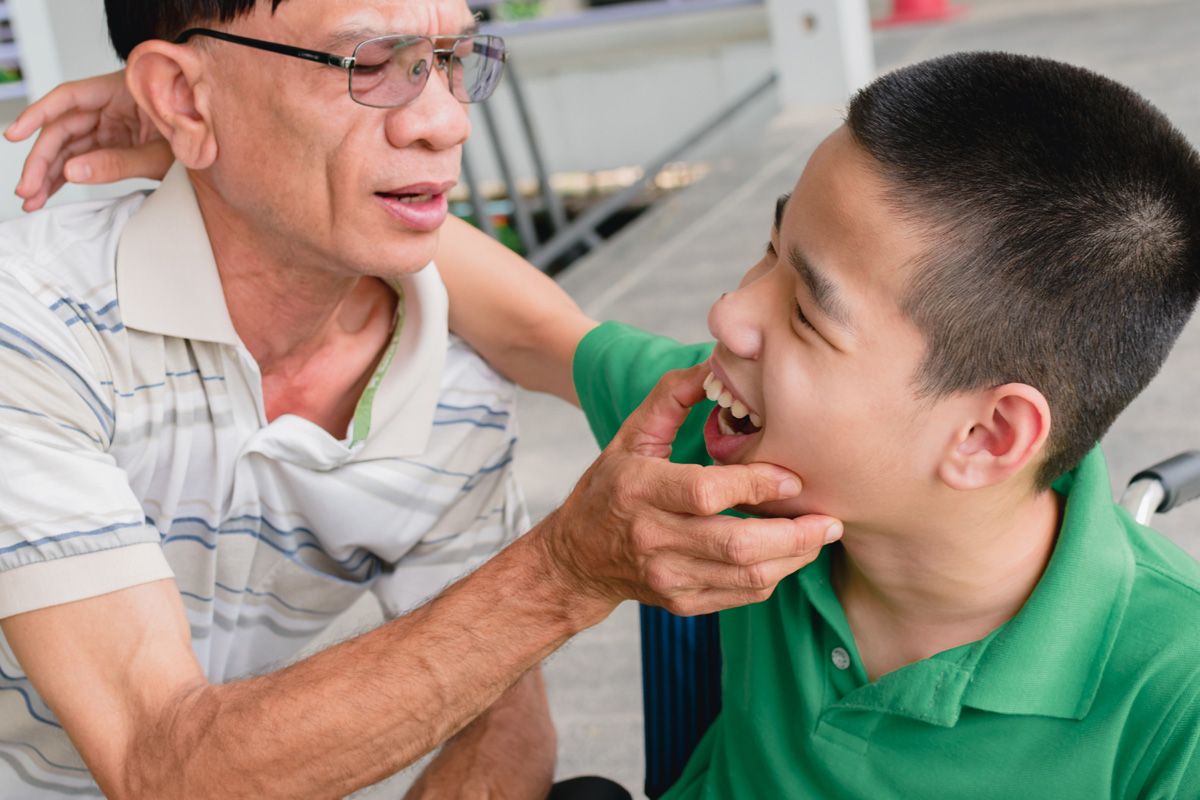
Building independent oral hygiene habits for a child with a disability comes down to three things: adapting the tools and environment to their specific needs, breaking the routine into small, consistent steps, and giving the process real time rather than expecting quick mastery. Teaching any child good oral hygiene takes patience, but for a child with a disability, the path to independence usually needs thoughtful adaptation on top of that patience.
At Little Roots Pediatric Dental in Westbury, NY, we believe every child deserves a healthy smile and the confidence that comes with caring for it themselves, whatever pace that takes.
Understanding Your Child’s Individual Needs
Children with disabilities bring different strengths and different challenges to learning an oral care routine. Sensory sensitivities, motor skill differences, cognitive differences, and communication needs all shape what actually works, which is why there is no single approach that fits every child. The starting point is building on what your child can already do rather than starting from what feels hardest.
Creating an Accessible Space and Choosing the Right Tools
A comfortable, predictable bathroom setup removes a surprising amount of friction before brushing even starts. Non-slip mats add stability, a step stool with railings improves sink access for smaller kids, and keeping tools in the same easily reached spot every time reduces the number of small decisions a child has to make just to get started. Lighting matters too, since overly bright or flickering light can create sensory overload that has nothing to do with the brushing itself.
The right equipment can make as much difference as the environment. Toothbrushes with modified, easier-to-grip handles or electric toothbrushes that reduce the need for complex hand motion both lower the physical demand of brushing. Floss holders or a water flosser help kids with limited dexterity reach between teeth, toothpaste in a flavor your child actually tolerates prevents an unnecessary daily struggle, and a visual schedule showing each step of brushing in order gives a child something concrete to follow instead of an abstract instruction.
Building Skills Through Positive Reinforcement
Independence tends to develop through small, repeatable steps rather than all at once. Breaking brushing and flossing into individual steps, and using backward chaining, where a parent completes most of the routine at first and gradually hands off pieces as a child masters them, builds real competence over time rather than rushing toward full independence too soon. A consistent time of day for the routine, specific praise for what actually went well (“you got the brush all the way to your back teeth”), and a reward system matched to what genuinely motivates your child all reinforce the habit far more effectively than general encouragement alone.
How Our Team Supports Independence
We build extra time into appointments to demonstrate technique directly with your child rather than just describing it to a parent, and our Westbury office is designed to be sensory-friendly for kids who need a calmer environment. Our team can recommend adaptive equipment suited to your child’s specific needs, adjusts strategies as your child develops at their own pace, and coordinates with occupational therapists when that kind of collaboration would genuinely help.
Celebrating Progress, Not Perfection
Independence develops unevenly, and some days will go better than others no matter how consistent the routine is. What matters most over time is building a positive association with dental care itself, since that association is what carries a child through every future visit and every future brushing session, long after any single skill has been mastered.
By working together with patience and the right adaptations, children with disabilities can build the oral hygiene skills that support both a healthy smile and a genuine sense of independence. Reach out to our dedicated pediatric dentists today to talk through what might work best for your child.
Frequently Asked Questions About Oral Hygiene for Kids with Disabilities
How much toothpaste should a child use if they cannot reliably spit?
A minimal smear about the size of a grain of rice is appropriate for a child who cannot reliably spit, while a pea-sized amount works once a child can spit consistently. Either way, brushing twice a day with fluoride toothpaste remains the goal.
What is backward chaining and how does it help with brushing?
Backward chaining means a parent completes most of a task at first, then gradually hands off the final steps to the child as they master them, working backward toward full independence. It lets a child experience success early, since they finish the task, rather than struggling through every step from the start.
My child hates the texture of a toothbrush. What can we try?
Bristle texture is a common sensory obstacle. Trying a few different brush types, including softer bristles or an electric toothbrush with a gentler sensation, often finds one a child tolerates better. Let our team know so we can suggest options based on what has and has not worked so far.
Should we tell the dental office about our child’s needs before the appointment?
Yes, letting us know in advance about sensory sensitivities, communication preferences, or specific triggers helps us prepare the visit around your child rather than adjusting on the fly. Even small details, like a preferred time of day, can make a real difference in how the appointment goes.
Is it normal for progress to feel slow or inconsistent?
Yes, and it does not mean the approach isn’t working. Independence with any new skill tends to develop unevenly, with good days and harder days along the way, and consistency over time matters more than any single day’s performance.