Medically Reviewed by Dr. Jessica Barzideh, DMD on September 2, 2026
When it comes to dental care for your children, you have options. Many parents wonder whether a pediatric dentist offers advantages over a family dentist. At Little Roots Pediatric Dental in Westbury, NY, we believe understanding these differences helps families make informed decisions about their children’s oral health, whether your child is due for their first dental visit or you’re weighing a change in providers.
Specialized Training
The most significant difference between pediatric and family dentists lies in their training. According to the American Academy of Pediatric Dentistry, pediatric dentists complete an additional advanced education program of at least 24 months beyond dental school, on top of the four years of dental school itself.
Pediatric Dentists:
- Complete an additional 2 to 3 years of specialized training after dental school
- Focus exclusively on treating infants, children, teens, and children with special healthcare needs
- Receive in-depth education on child development, child psychology, and pediatric-specific dental conditions
- Train extensively in behavior management techniques for young or anxious patients
Family Dentists:
- Are trained to treat patients of all ages
- Have a broader scope of practice
- May have some experience with children but without the specialized pediatric training
- Often develop relationships with entire families over many years
Child-Focused Environment
Pediatric dental offices like Little Roots are specifically designed with children in mind:
- Smaller equipment sized for children’s mouths
- Colorful, engaging waiting areas with age-appropriate activities
- Treatment rooms decorated to reduce anxiety
- Staff trained specifically in communicating with children
- Language and explanations adjusted to a child’s developmental level
A family dental practice, by contrast, is generally designed to serve patients of every age at once, so the waiting room, equipment, and pacing of appointments are built around the needs of the average adult patient rather than a toddler or young child.
Specialized Care for Unique Needs
Pediatric dentists are uniquely qualified to address childhood-specific dental concerns:
- Early dental development monitoring and intervention
- Space maintenance when baby teeth are lost prematurely
- Prevention focused on the unique risk factors children face
- Management of dental trauma from childhood accidents
- Specialized care for children with medical conditions, developmental delays, or special needs
How Costs and Insurance Typically Compare
Cost is a common question when parents weigh a pediatric dentist against a family dentist. In many cases, routine preventive visits, cleanings, and fluoride treatments are priced similarly between the two types of practices, and most pediatric dental offices, including ours, accept the same major dental insurance plans that family dentists do. Where costs can differ is in specialized services, such as behavior guidance techniques, sedation, or advanced treatment for a child with dental anxiety or special healthcare needs, since these services require additional training and equipment. We encourage parents to confirm coverage details with their insurance provider before scheduling treatment, and our team is glad to help verify benefits ahead of an appointment.
When to Choose Each Option
Consider a pediatric dentist when:
- Your child has special healthcare needs
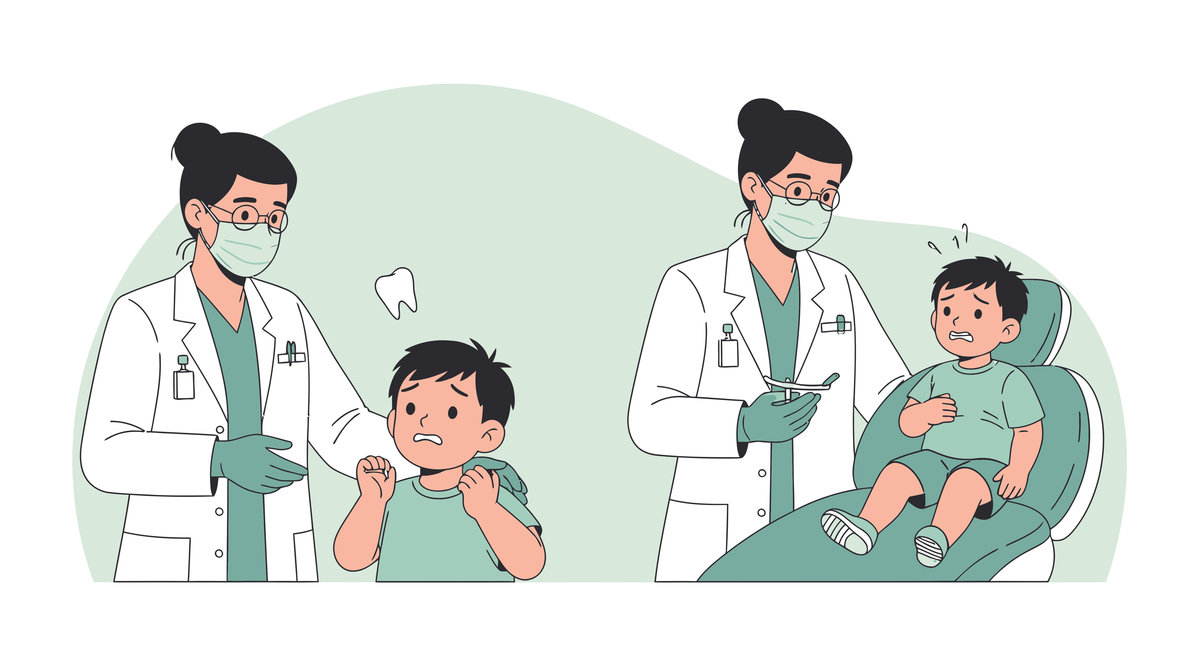
- Dental anxiety is a significant concern
- Your child has had negative dental experiences
- Early developmental issues require specialized monitoring
- Complex pediatric dental procedures are needed
A family dentist may work well when:
- Your child is older with no special dental concerns
- Convenience of the whole family seeing one provider is important
- Your family has an established, comfortable relationship with a family dentist
- Your child has no dental anxiety or behavioral challenges at appointments
Many families use a hybrid approach: a pediatric dentist through the early childhood years when development and behavior guidance matter most, and a transition to a family dentist in the teen years once a child is a comfortable, cooperative patient. There is no single right answer, and the decision often comes down to your child’s individual needs and your family’s preferences.
The Little Roots Difference
At Little Roots Pediatric Dental in Westbury, our entire practice philosophy centers around providing specialized care for Nassau County’s youngest patients. From our specially trained team to our child-friendly environment, we focus exclusively on what children need for optimal dental health. Our practice was founded by Dr. Jessica Barzideh, DMD, a board-certified pediatric dentist who has also taught pediatric dental residents, and our team brings that same specialized training to every visit.
While family dentists provide valuable care for many families, a Nassau County pediatric dental specialist offers advantages similar to choosing a pediatrician over a general practitioner for medical care. We believe that the early years establish lifelong dental habits and attitudes, and specialized care during this critical time can make a meaningful difference. If you would like to discuss which option is the best fit for your child, we invite you to reach out through our contact form.
Frequently Asked Questions About Pediatric vs. Family Dentists
At what age should my child see a pediatric dentist for the first time?
Most pediatric dental organizations recommend a child’s first dental visit occur by their first birthday or within six months of their first tooth erupting, whichever comes first. Starting early allows a pediatric dentist to monitor development, catch potential issues early, and help your child build comfort with dental visits from the very beginning.
Can a family dentist treat toddlers and young children?
A family dentist is licensed to treat patients of any age, including toddlers, but they generally do not complete the additional years of specialized pediatric training that a pediatric dentist does. For a young child with no complicating factors, a family dentist may work well, though many parents prefer the pediatric-specific training and child-focused environment a pediatric dentist provides.
Does dental insurance cover visits to a pediatric dentist?
In most cases, yes. Pediatric dentists are typically in-network with the same major dental insurance plans that cover family dentists, and routine preventive care is generally covered at similar rates. We recommend confirming your specific plan’s coverage before scheduling, and our team is happy to help verify benefits ahead of an appointment.
Is it a problem to switch from a family dentist to a pediatric dentist later in childhood?
Not at all. Many families switch to a pediatric dentist at any point in childhood, whether because of new dental anxiety, a diagnosis that requires specialized care, or simply a preference for a child-focused practice. A pediatric dentist can review your child’s dental history and pick up care smoothly from where a previous provider left off.
When should my child transition from a pediatric dentist to a general dentist?
Pediatric dentistry covers patients through adolescence, and many practices continue seeing patients through the teen years. The right time to transition to a general or family dentist depends on your teen’s comfort level, ongoing dental needs, and family preference, and it is a decision you can make together with your pediatric dentist when the time feels right.
About the Author
Founder, Pediatric Dentist
Dr. Jessica Barzideh, DMD, is a board-certified pediatric dentist and the founder of Little Roots Pediatric Dental, caring for patients from infancy through adolescence. She has served as an attending dentist teaching pediatric dental residents at an NYU-HHC affiliate hospital and has extensive experience working with children who have special healthcare needs.