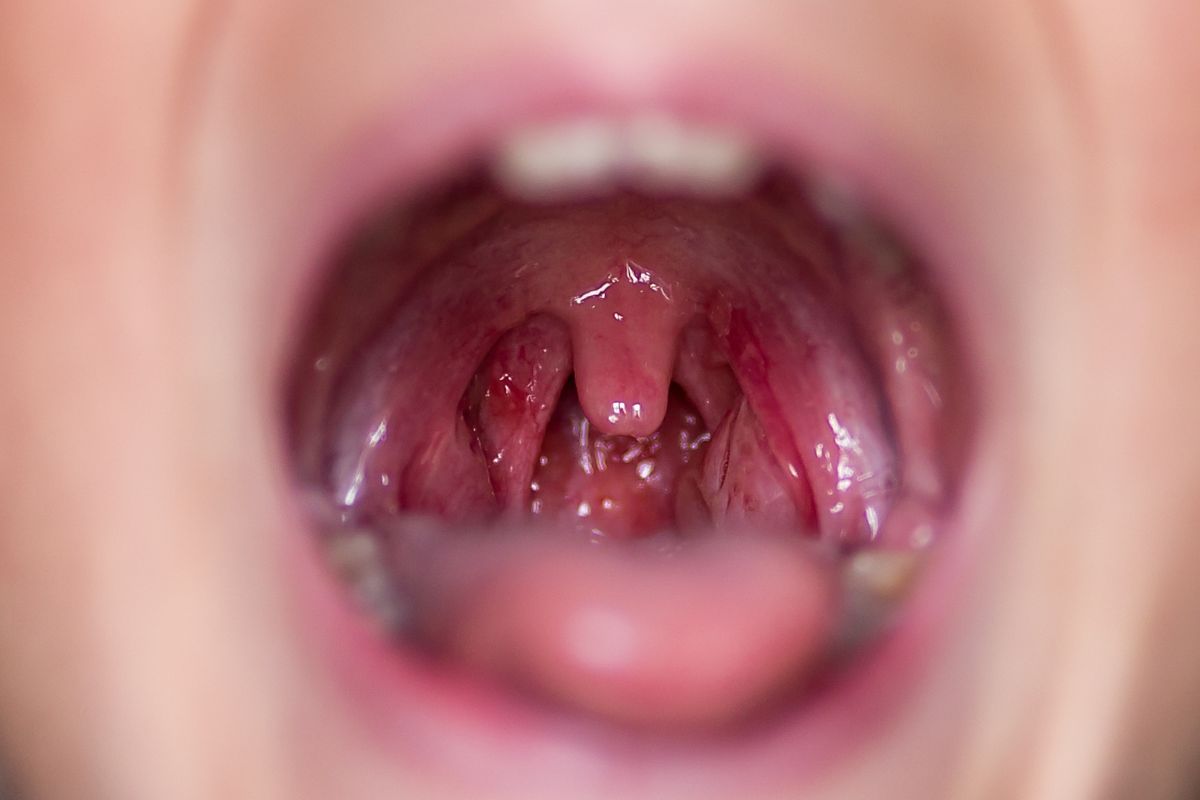
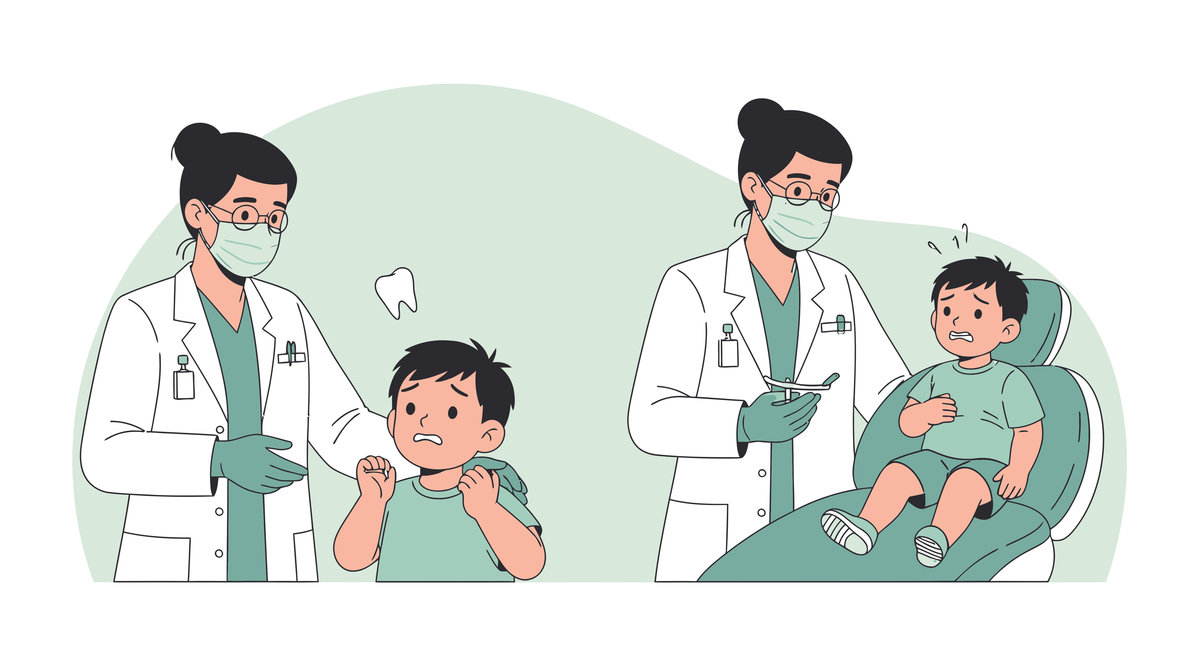
If you have spent any time in a parenting group or on the phone with a grandparent about your child’s cavity, you have probably heard the same reassurance. Baby teeth fall out anyway, so why spend the money or the worry on a filling? It sounds like common sense, passed down the way so much parenting advice is, and it is one of the most repeated pieces of dental folklore out there.
We hear this at Little Roots Pediatric Dental more than almost anything else, and we understand why it sticks. This advice tends to cost families far more than it saves, not just in dollars but in time, stress, and a child’s comfort for years afterward. Ignoring a small cavity rarely makes it disappear, which is why our preventive dentistry approach focuses on catching small problems before they grow.
How a Simple Filling Becomes Four Appointments
A small cavity caught early may only need a straightforward dental filling. As decay moves deeper into the tooth, treatment can become more involved. Reaching the nerve may require a pulpotomy or crown, while an infection or abscess can sometimes make extraction the best option. If a baby tooth has to be removed before it is ready to fall out naturally, a space maintainer may also be recommended to preserve room for the permanent tooth.
What could have started as a relatively simple visit can then involve additional treatment, more time in the dental chair, and a higher overall cost. For families, that may also mean arranging more time away from work or school while helping a child through a more involved dental experience.
The Consequence Almost Nobody Talks About
Losing a baby tooth earlier than expected can create another concern that parents may not immediately connect to the original cavity. Baby teeth help preserve space for the permanent teeth developing underneath them. When one is removed too soon, neighboring teeth can shift into the open space and reduce the room available for the permanent tooth to come in.
A systematic review published through the National Institutes of Health examined how premature loss of primary teeth can affect the developing bite and the need for space management. This is why the cost of advanced decay may not end with treating or extracting the affected tooth. An early extraction can sometimes require a space maintainer and additional monitoring as permanent teeth develop, adding time and expense that may have been avoided if the decay had been treated earlier.
What an Untreated Tooth Costs Beyond the Dentist’s Chair
A cavity that has progressed to real pain does not stay contained to the mouth. It can start affecting everyday routines at a time when eating well, sleeping comfortably, and feeling at ease with dental care all matter for a growing child. We consider these connections as part of the bigger picture, including through our approach to airway dentistry. Some of the effects families may notice include:
- A tooth in pain can change how and what a child eats
- Nighttime discomfort can interrupt sleep and affect focus or mood the next day
- Ongoing pain can build dental anxiety that follows a child for years
These effects may be harder to put a price on, but they can still take a toll on a child’s day-to-day life. Addressing the source of the pain early can help keep a dental problem from interfering with more than their teeth.
The Cost Inversion Nobody Expects
Here is the part that flips the myth on its head. Prevention and early treatment are almost always the cheaper path, not the more expensive one. The myth that baby teeth aren’t worth treating doesn’t protect anyone’s wallet. It is what makes dental care expensive in the first place, trading one small visit for a series of larger ones later.
Trust Little Roots Pediatric Dental With Every Stage of Your Child’s Smile
We built our practice around the idea that no concern is too small to look at, especially when a tooth is still doing important work long before it falls out on its own. Dr. Jessica Barzideh and our team bring extensive pediatric dentistry experience, including specialized training in caring for children with unique healthcare needs, paired with a warm, welcoming environment for kids and the caregivers who bring them in.
If your child has a cavity that seems minor, or it has simply been a while since their last checkup, we would rather see them now than manage a bigger and more expensive problem later. We accept many insurance plans and offer an in-house membership plan for families without traditional coverage, so cost doesn’t stand between your child and the care their smile needs. Reach out through our contact form to schedule a visit, and let us help keep those baby teeth healthy.