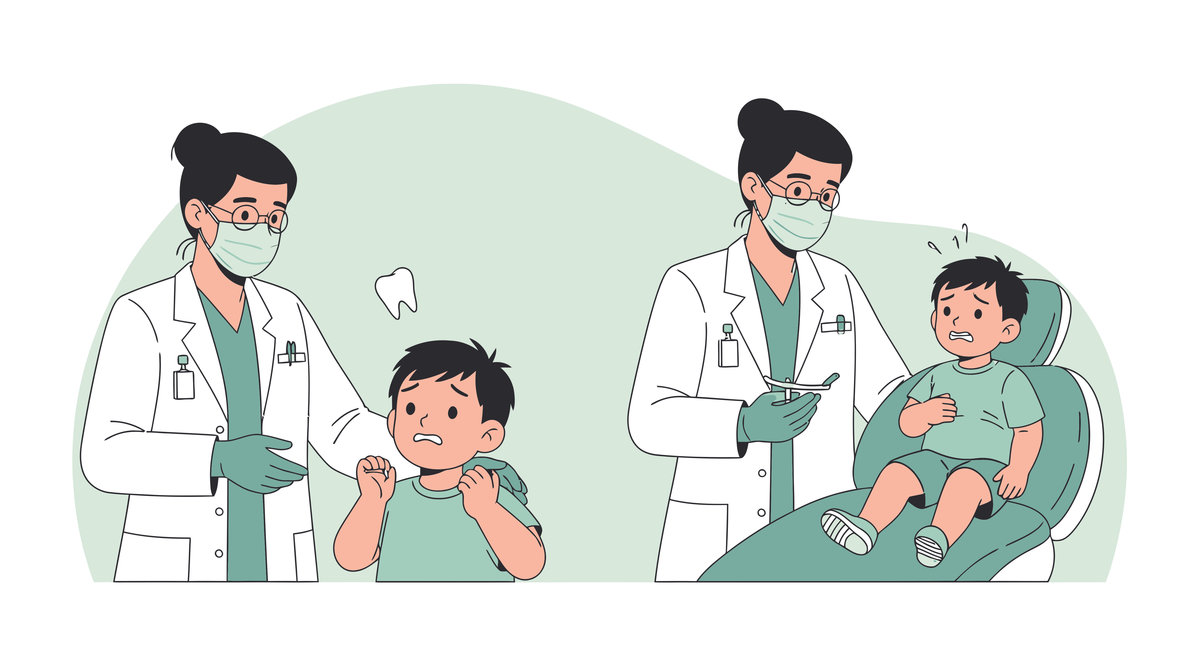

Most parents assume a dental checkup is only about counting cavities, but a child’s mouth holds far more information than that. Small clues like flattened molars or oversized tonsils can point to something happening well beyond the teeth, from how a child sleeps to how their face is growing.
At Little Roots Pediatric Dental, we look at every exam through the lens of airway dentistry, which means we are not just checking for decay. We are reading the shape of the jaw, the posture of the tongue, and the condition of the tonsils as pieces of a bigger picture, one that can reveal whether a child’s airway is developing the way it should.
What Wear Facets Actually Tell Us
A wear facet is a flattened, worn-down spot on a tooth, and it usually comes from grinding or clenching, a pattern known as bruxism. Parents often hear that grinding is something kids grow out of, but that has not been our experience. As one of our providers explained, “In dental school, we learned that kids grind a lot, and they usually grow out of it, which in certain cases may be true, but in a majority of cases, especially if you’re seeing those facets, there’s something else going on.”
We can spot wear facets in children as young as three years old, right around the time the first baby molars fully form. Sometimes the wear becomes less noticeable once the six-year molars come in and the jaw shifts and grows, but if we still see wear on the adult teeth, it raises more concern. Our team notes, “It’s most likely because they’re trying to open their airway,” which is why we treat these worn spots as a signal worth investigating rather than a habit to wait out. In some cases, we recommend nightguards to protect the teeth while we work with families to understand the root cause of the grinding.
What Big Tonsils Might Mean for Sleep and Growth
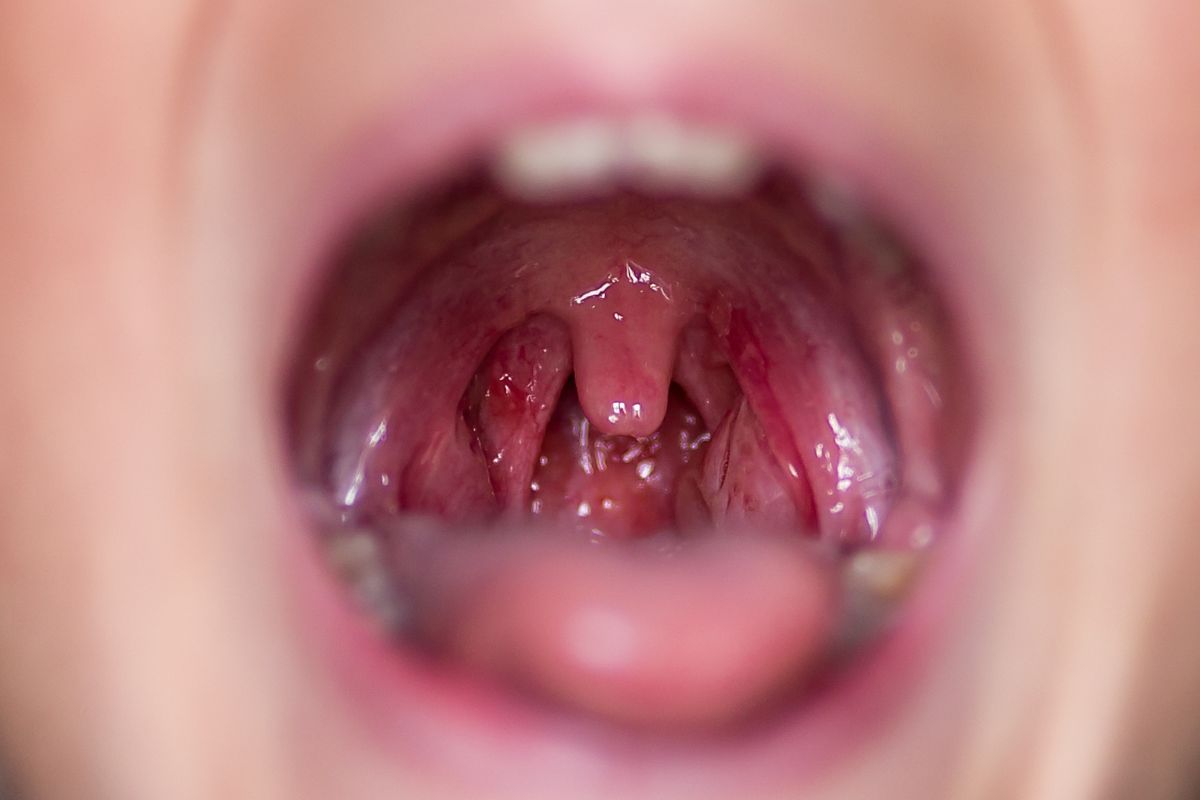
Parents are often told that enlarged tonsils are just something kids outgrow, but size alone does not tell the whole story. What matters more is how the tonsils are affecting a child’s ability to breathe. Our team shared, “If they’re really not able to breathe and get air through their airway, our collaborative approach and having them see an ENT is a good idea,” since airway concerns fall outside what a dental exam alone can resolve.
This is part of why we value working alongside other specialists. Getting a clear view of the tonsils and the back of the throat during an exam, then coordinating with ear, nose, and throat doctors when needed, helps us understand what a child’s airway is truly dealing with. A cephalometric study published through the National Library of Medicine found that children with airway inadequacy showed measurable differences in jaw length and facial growth compared to children breathing normally through the nose, reinforcing why tonsil size and airway function deserve attention long before symptoms become severe.
Other Signs We Watch for During an Exam
Wear facets and tonsils are two of the clearer signals, but they are rarely the only ones. During a preventive exam, we are also watching for signs that may seem unrelated to teeth at first glance.
- Tongue posture and how the tongue rests against the roof of the mouth
- Jaw shape and whether the face appears symmetrical at rest
- Chronic mouth breathing, which we sometimes test by timing how long a child can comfortably breathe through the nose
We also pay attention to slouched posture, puffy or tired-looking eyes, and even how a child walks into the office before they sit in the chair. Every one of these details adds another piece to the map we are building of a child’s airway health.
Why Catching These Signs Early Matters
Left unaddressed, airway issues rarely stay contained to the mouth. Poor sleep in children has been connected to trouble focusing in school, bedwetting, and slowed growth, because growth hormone is released most heavily during deep sleep. Our team put it simply: “Poor sleep leads to attention issues in school, bedwetting, and potentially chronic issues as an adult like heart problems or terrible inflammation.“
This is why we see airway screening as prevention in the truest sense. Catching a wear facet or an airway-related tonsil concern at age three or four gives a child’s jaw and airway time to develop differently, well before the same signs in adulthood turn into the chronic sleep and cardiovascular issues we sometimes see in grown patients who were never screened as children.
Schedule an Exam With Little Roots Pediatric Dental Today
Every mouth tells a story, and Dr. Sunaina Vohra and our team at Little Roots Pediatric Dental have spent years learning how to read it. Our practice is built around connecting the dots between oral signs like wear facets, tonsil size, and tongue posture and the bigger picture of a child’s sleep, growth, and overall health, always in collaboration with ENTs and other specialists when a referral is the right next step.
If you have noticed grinding, mouth breathing, or restless sleep in your child, we would rather help you understand what is happening now than wait for bigger problems later. You can reach our team through our contact form to schedule an exam and get a clearer picture of what your child’s mouth may be telling you.