
Medically Reviewed by Dr. Jessica Barzideh, DMD on September 11, 2026
Developing good dental habits in children does not happen overnight. It requires consistency, patience, and starting early. While many parents understand the importance of dental care, knowing exactly when and how to begin can sometimes feel overwhelming. At Little Roots Pediatric Dental, our kids dentists in Nassau County believe that establishing proper oral hygiene routines during infancy creates a foundation for lifelong dental health.
The American Academy of Pediatric Dentistry recommends starting oral hygiene measures no later than the eruption of a baby’s first tooth, and our team is dedicated to partnering with you to make dental care a positive part of your child’s daily routine from the very beginning.
Start Before the First Tooth
Oral hygiene begins before your baby’s first tooth even appears. After feedings, gently wipe your baby’s gums with a soft, clean, damp washcloth or gauze pad. This simple practice removes milk residue and bacteria from the gums, accustoms your baby to having their mouth cleaned, establishes oral hygiene as part of the daily routine, and helps prepare for the transition to toothbrushing.
These early experiences create positive associations with oral care that will serve your child throughout their life.
First Tooth, First Brush
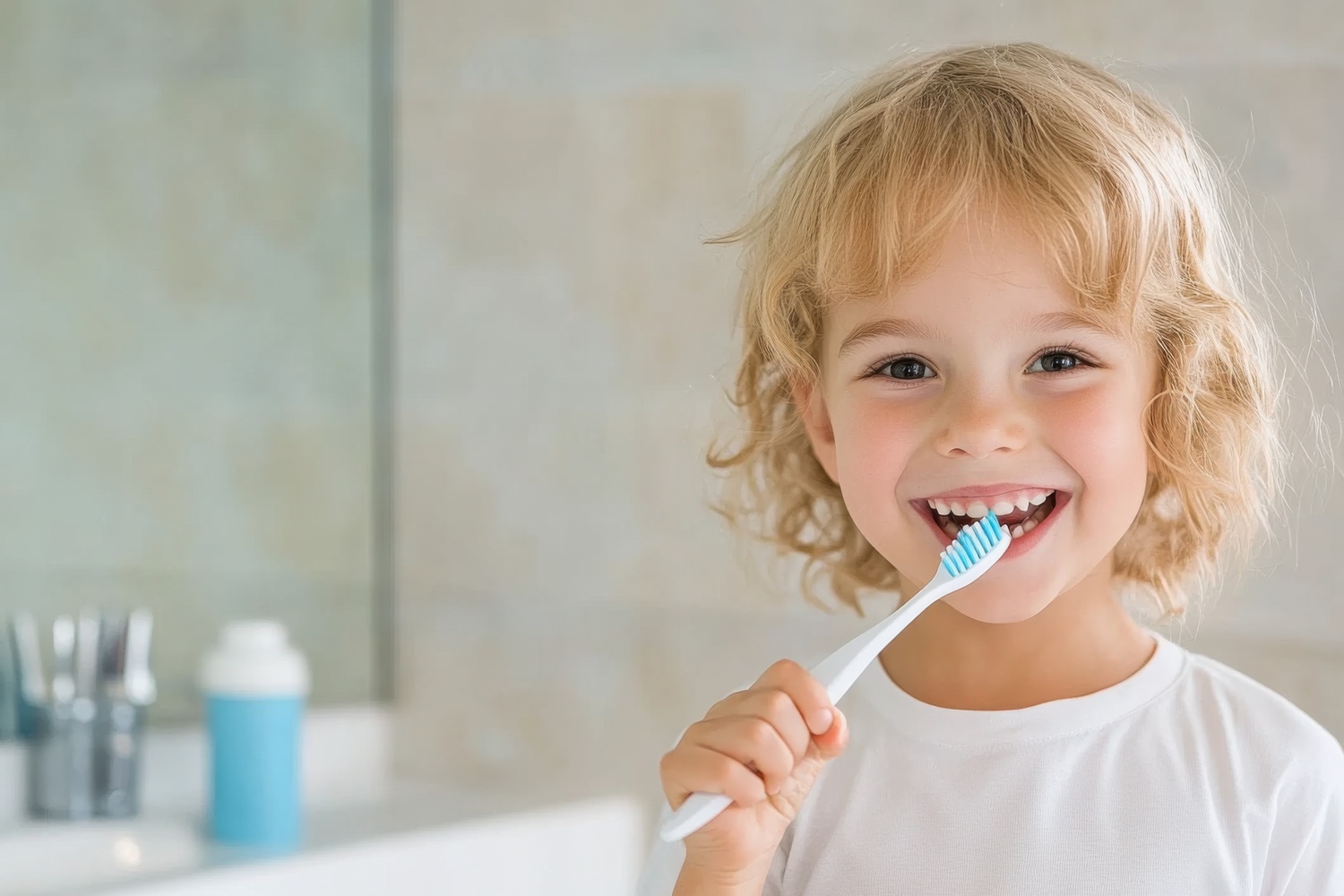
When that first tiny tooth emerges, typically around six months of age, it is time to introduce a toothbrush. Choose an infant-sized toothbrush with soft, rounded bristles, and use a rice-grain sized amount of fluoride toothpaste, since fluoride is recommended from the first tooth onward. Brush gently twice daily, especially before bedtime, and continue to clean areas where teeth have not yet erupted with a washcloth.
At this stage, the technique is less important than establishing the habit. As more teeth appear, you can gradually introduce more thorough brushing techniques.
Making Brushing Fun
Children respond best to positive, playful approaches to dental care. Try these strategies to make brushing enjoyable:
- Sing a special “brushing song” that lasts the recommended two minutes.
- Use a timer or sand timer to make it a game.
- Let your child choose their toothbrush from age-appropriate options.
- Take turns, letting them “brush” your teeth before you brush theirs.
- Read children’s books about dental care and brushing.
- Use positive reinforcement with praise and small rewards for consistent brushing.
Introducing Flossing
Once teeth begin touching each other, typically around age 2 to 3, it is time to introduce flossing. Begin with child-friendly floss picks, which are easier for parents to maneuver, and demonstrate on yourself first. Keep sessions brief at the start, gradually increasing as your child adapts, and consider making it a family activity where everyone flosses together.
Creating Positive Dental Visit Experiences
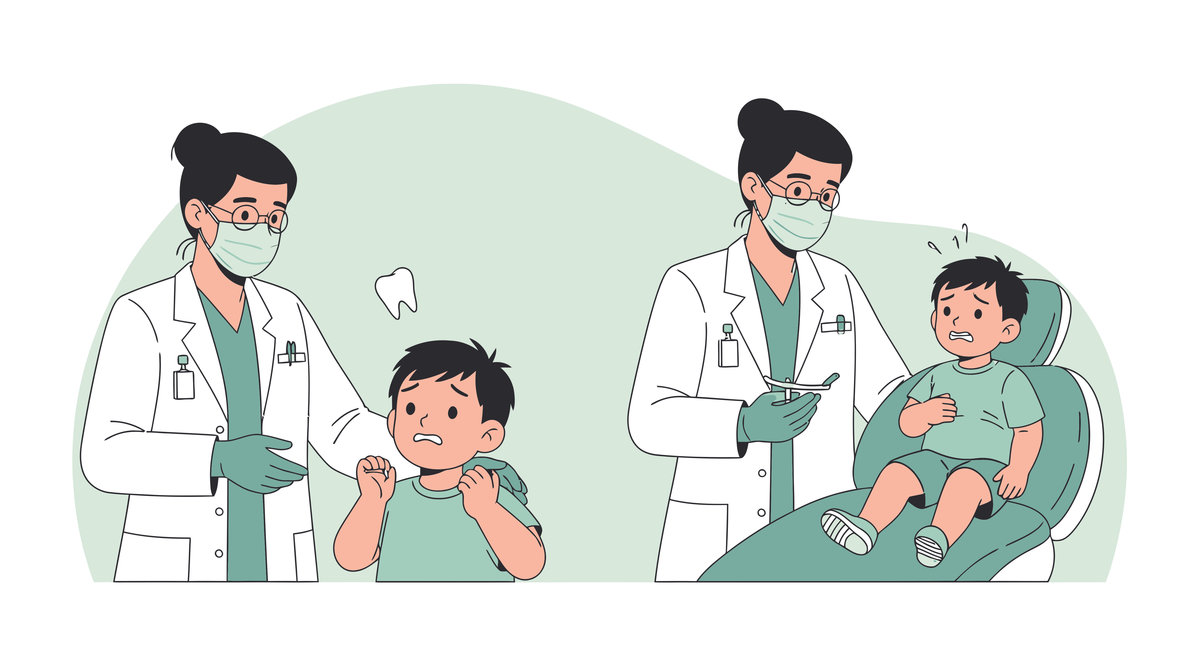
Regular dental visits are crucial for establishing good oral health habits. Schedule your child’s first dental visit by their first birthday or when their first tooth appears, choose a pediatric dentist who specializes in treating children, use positive language when discussing dental visits, and avoid using the dentist as a threat. Consider morning appointments when children are typically more rested and cooperative.
At Little Roots Pediatric Dental, we create a welcoming, child-centered environment that helps children feel comfortable and excited about dental care. If your child has never visited before, our page on what to expect at your child’s first visit can help set expectations for the whole family.
Leading by Example
Children learn by watching their parents. When they see you prioritizing your own oral health, they are more likely to value theirs. Let your child watch you brush and floss regularly, demonstrate proper techniques, talk positively about your own dental care and visits, and make oral hygiene a family activity rather than just a “kids’ thing.”
Addressing Common Challenges
Even with the best intentions, parents often encounter resistance. For the reluctant brusher, offer limited choices, such as asking whether they want to use the red toothbrush or the blue one, create a reward chart with stickers for consistent brushing, and try different flavors of toothpaste while maintaining appropriate fluoride content.
For the independent child, set up a stepstool at the sink so they can see in the mirror, let them brush first and then you “finish” for thoroughness, and continue supervising brushing until around age 7 to 8, when manual dexterity is more developed.
Choosing the Right Tools as Your Child Grows
The tools your child uses matter almost as much as the habit itself. As children get older and more coordinated, some families find that switching from a manual to an electric toothbrush helps maintain thorough brushing, particularly for kids who struggle to brush for the full two minutes. If you are weighing that decision, our comparison of electric versus manual toothbrushes for kids walks through the pros and cons of each option in more detail.
Nutritional Habits and Dental Health
Establishing good oral hygiene also means developing healthy eating habits. Limit sugary snacks and drinks, avoid putting babies to bed with bottles containing anything other than water, offer water after meals to help rinse away food particles, provide calcium-rich foods to strengthen developing teeth, and choose tooth-friendly snacks like cheese, yogurt, fruits, and vegetables. Our post on the connection between childhood nutrition and dental development goes into more depth on how diet and tooth health work together.
Building Habits That Last Into the Teen Years
The routines you establish in early childhood tend to carry forward, but the habits often need a refresh around the pre-teen years as independence grows. This is a good time to reintroduce the “why” behind brushing and flossing rather than simply enforcing the routine, since older children respond better to understanding the reasoning than to rules alone. Consistent preventive visits, along with tools like dental sealants when appropriate, continue to reinforce the foundation built during the early years.
Partner With Us for Your Child’s Dental Health
At Little Roots Pediatric Dental, we are committed to helping your child develop positive attitudes toward dental care that will last a lifetime. Our experienced team provides gentle, specialized care along with practical guidance for you as you navigate each stage of your child’s dental development.
For more information about pediatric dental care or to schedule an appointment, reach out through our contact form or schedule online. We look forward to being your partner in establishing healthy dental habits for your child from the very beginning.
Frequently Asked Questions About Establishing Oral Hygiene Habits
When should I start brushing my baby’s teeth?
You should begin cleaning your baby’s gums with a damp washcloth even before the first tooth appears, and switch to a soft infant toothbrush with a rice-grain amount of fluoride toothpaste as soon as the first tooth erupts, typically around six months of age.
Is fluoride toothpaste safe for my toddler?
Yes, a rice-grain sized amount of fluoride toothpaste is recommended starting from the first tooth, increasing to a pea-sized amount around age three. Supervising brushing helps ensure your child spits out toothpaste rather than swallowing it.
At what age can my child brush their own teeth without help?
Most children need continued supervision or assistance with brushing until around age 7 or 8, when their fine motor skills and dexterity are developed enough to clean their teeth thoroughly on their own. Even after that, a quick nightly check-in is a good habit.
My child refuses to brush their teeth. What should I do?
Offering limited choices, using a reward chart, trying a different toothpaste flavor, or letting your child pick their own toothbrush can all help reduce resistance. If brushing remains a consistent struggle, our team can offer additional strategies tailored to your child during a visit.
How often should my child see the dentist once these habits are established?
Most children benefit from a dental checkup every six months, starting from their first visit around their first birthday. Regular visits let us catch small issues early and reinforce the habits you are building at home.
About the Author
Founder, Pediatric Dentist
Dr. Jessica Barzideh, DMD, is a board-certified pediatric dentist and the founder of Little Roots Pediatric Dental, caring for patients from infancy through adolescence. She has served as an attending dentist teaching pediatric dental residents at an NYU-HHC affiliate hospital and has extensive experience working with children who have special healthcare needs.