
Medically Reviewed by Dr. Sunaina Vohra, DMD on September 11, 2026
Every parent has heard the reminder to brush twice a day, but it turns out the story of children’s dental health is a lot bigger and more surprising than morning and bedtime routines. From cavities that rival the common cold in frequency to sleep patterns that few would connect to a dentist’s chair, the data on kids’ oral health has a few plot twists that are genuinely worth knowing.
At Little Roots Pediatric Dental in Westbury, Long Island, we believe informed parents raise healthier kids. That is why we take a prevention-first approach to every visit, looking at the whole child rather than just the teeth in front of us. Whether your little one is coming in for their very first checkup or their fifth year of cleanings, the research behind pediatric oral health shapes everything we do. Here are the statistics that might just change the way you think about your child’s dental care.
Cavities Are Still the Most Common Chronic Childhood Disease
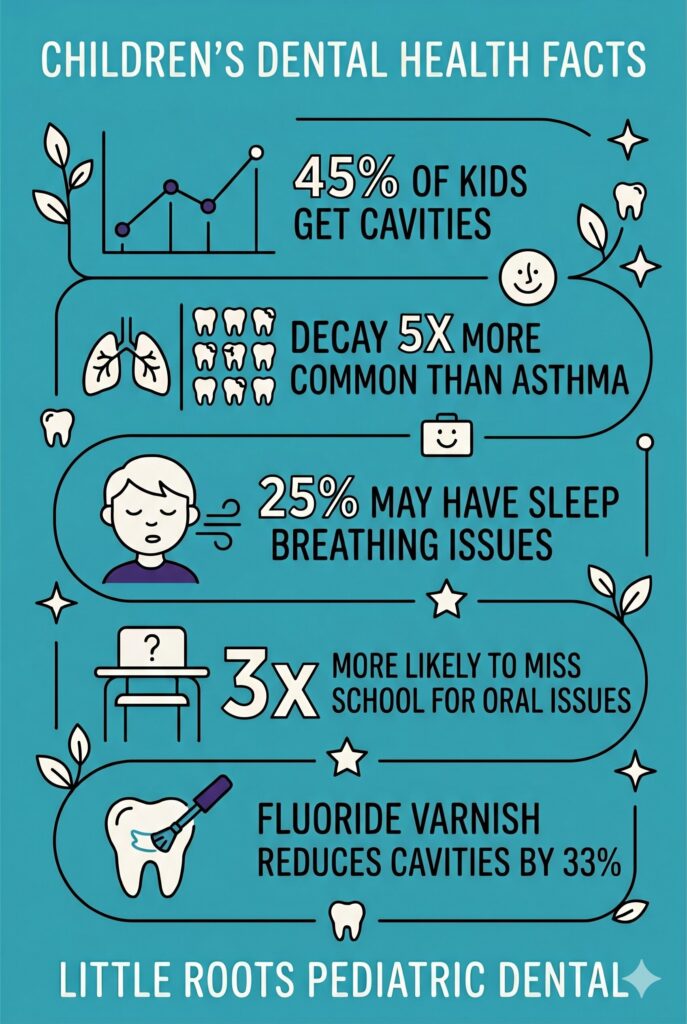
It is a title no condition wants to hold, but tooth decay continues to earn it year after year. According to the Centers for Disease Control and Prevention, approximately 45 percent of children ages 2 to 19 have had cavities in their primary or permanent teeth. To put that in perspective, tooth decay is about five times more common in children than asthma. The good news is that cavities are almost entirely preventable with consistent checkups, fluoride treatments, and sealants, all of which are part of routine pediatric dental care.
Nearly Half of Kids Have Never Seen a Dentist by Age Five
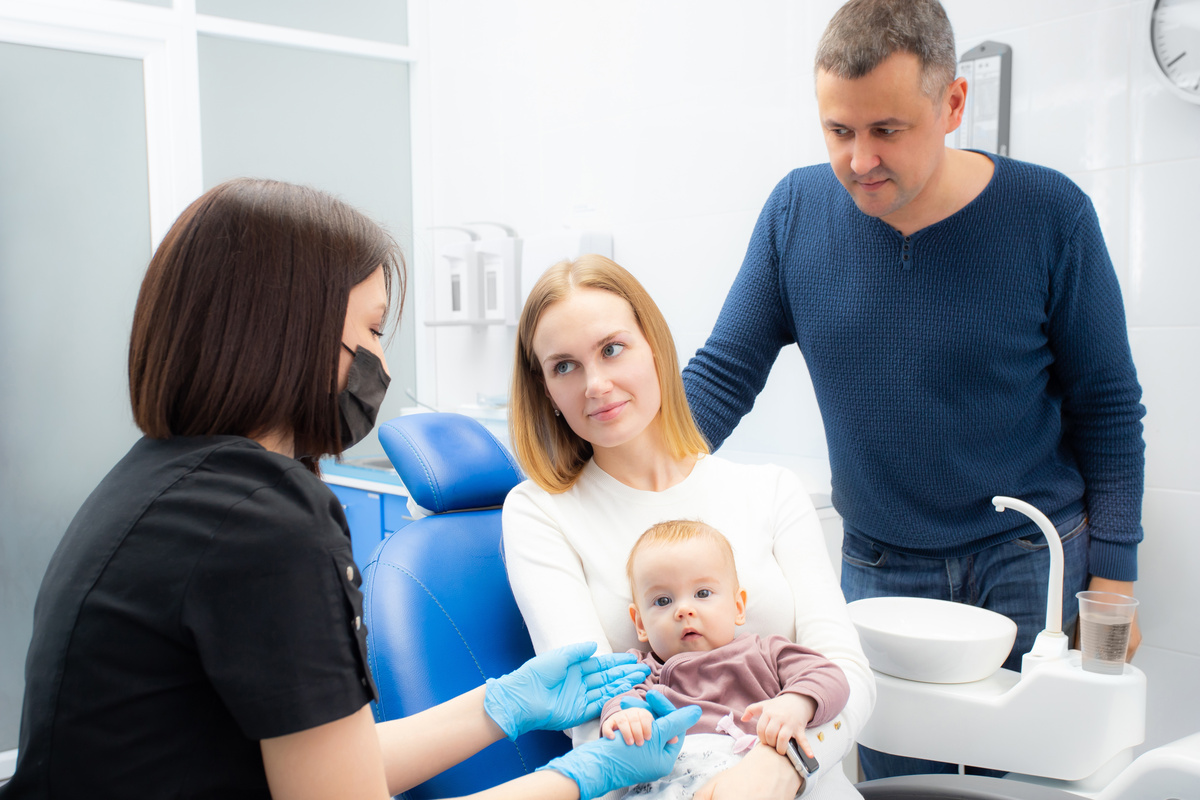
The American Academy of Pediatric Dentistry recommends a child’s first dental visit by their first birthday or within six months of their first tooth erupting. Yet, many families do not make it happen that early. Research from the Health Resources and Services Administration shows a significant portion of young children are missing out on early preventive care, creating small problems that can turn into bigger ones fast. A first visit does not have to be a big deal. In fact, we work hard to make sure it feels like anything but.
One in Five Children Has Untreated Tooth Decay
Having a cavity and having it treated are two very different things, and for many kids, treatment does not happen. The CDC estimates roughly 20 percent of children ages 5 to 11 have at least one untreated decayed tooth. Untreated decay can affect a child’s ability to eat, speak, sleep, and focus in school, which means what looks like a dental issue often turns into something much broader. This is exactly why we make preventive dentistry the centerpiece of our care model.
Dental Anxiety Affects Up to 20 Percent of Children
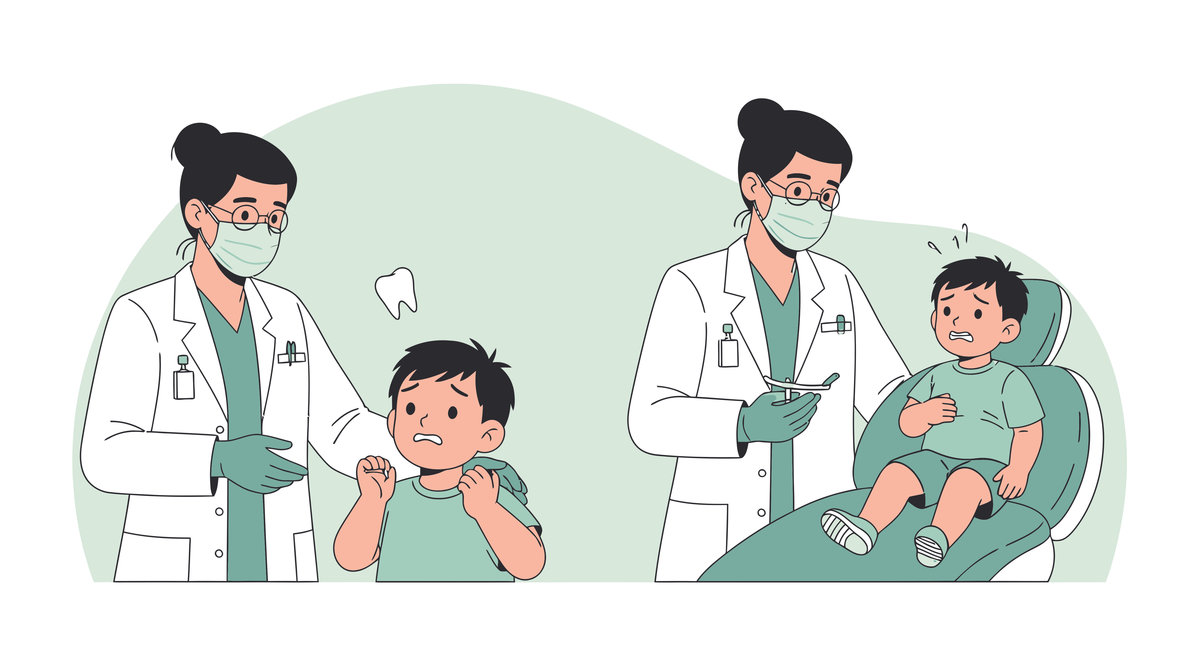
If your child tenses up at the mere mention of a dental appointment, they are far from alone. Studies estimate dental anxiety affects between 6 percent and 20 percent of children, and for some, it becomes significant enough to lead to avoided care altogether. That is a real problem, because untreated anxiety compounds untreated dental issues into a cycle that can follow a child for years. Our team works thoughtfully with anxious patients, and our approach to creating positive dental experiences for children with anxiety outlines exactly how we do this. For those who need extra support, sedation dentistry options are available to make the experience calm and comfortable.
Up to 25 Percent of Children May Have Sleep-Disordered Breathing
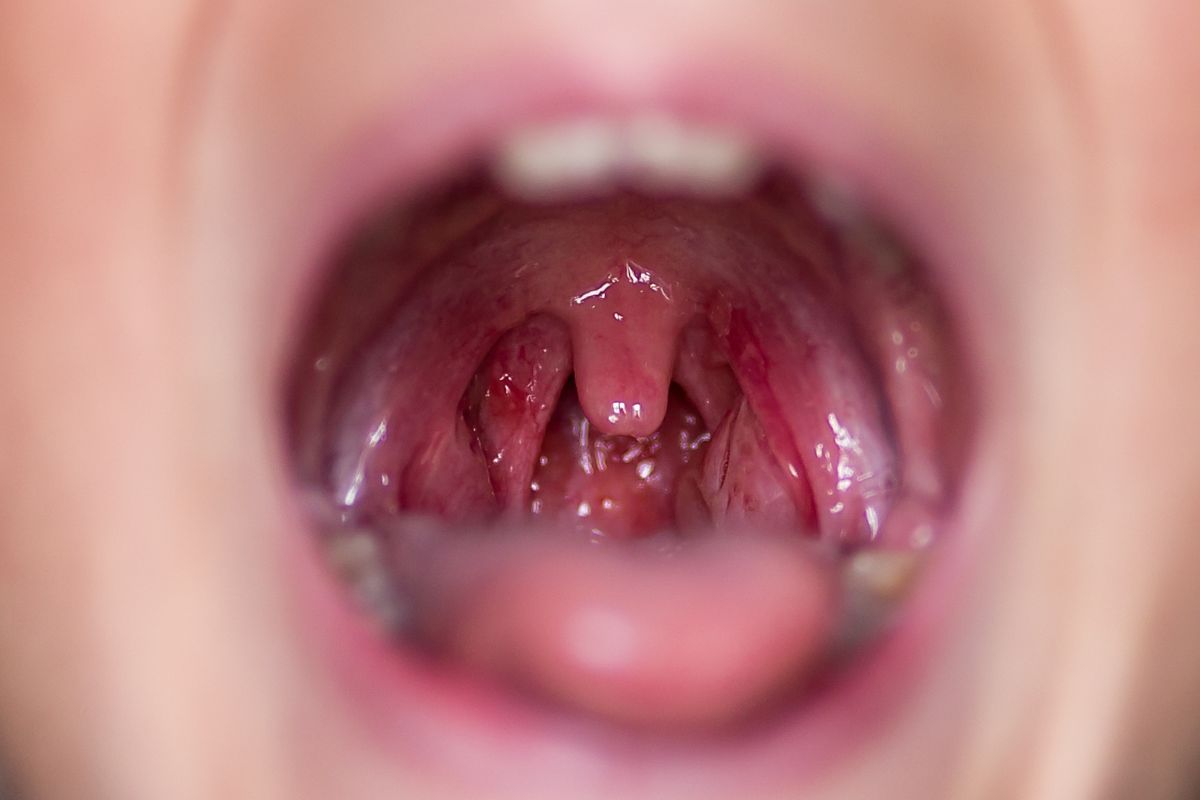
Here is the statistic most people do not expect to find on a pediatric dental blog: research published by the National Institutes of Health suggests that pediatric sleep-disordered breathing, including snoring and obstructive sleep apnea, may affect anywhere from 1 percent to 25 percent of children, depending on the population studied. What does this have to do with dentistry? Quite a lot, actually. Airway structure, jaw development, and breathing patterns are deeply connected, and a trained pediatric dentist can often spot early signs during a routine exam. Our airway dentistry approach is centered on identifying these patterns early, before they affect sleep, behavior, and development, and our post on how breathing issues can affect a child’s growth explains the connection in more detail.
Children With Poor Oral Health Miss More School
This one tends to surprise parents. The CDC reports that children with poor oral health are nearly three times more likely to miss school due to dental pain than those without oral health issues. Across the United States, that adds up to more than 34 million missed school hours annually. A toothache is not just uncomfortable; it is disruptive in ways that ripple well beyond the dentist’s office. Routine preventive care is one of the most straightforward ways to keep kids in class and feeling their best.
Fluoride Varnish Reduces Cavities by Up to 33 Percent
For all the chatter about fluoride, the data are consistent and hard to argue with. According to the Community Preventive Services Task Force, community-based preventive programs using fluoride significantly reduce childhood cavities, with fluoride varnish applications reducing decay in primary teeth by approximately 33 percent. These are the kinds of simple, quick interventions we incorporate into every cleaning visit because small actions at the right time make a measurable difference over a lifetime of oral health.
What These Numbers Mean for Your Family
Taken together, these statistics point to one consistent theme: most pediatric dental problems are preventable, and prevention works best when it starts early and continues consistently. A child who sees a pediatric dentist by their first birthday, receives regular fluoride varnish, gets sealants when appropriate, and has any anxiety or airway concerns addressed early is statistically far less likely to experience the untreated decay, missed school days, or sleep problems described above.
None of this requires a perfect household. It requires consistent, unglamorous habits, brushing twice daily, limiting sugary snacks, and showing up for checkups every six months, paired with a dental team willing to look at the whole picture rather than counting cavities in isolation.
Schedule Your Child’s Visit at Little Roots Pediatric Dental
Statistics paint a picture, but real care happens in person. At Little Roots Pediatric Dental, our board-certified founder, Dr. Sunaina Vohra, and our dedicated team bring a warm, child-centered philosophy to every appointment in our Westbury office. We look at the full picture of your child’s health, from cavity prevention to airway development, because we believe getting ahead of problems is always better than chasing them.
If it is time to schedule or if you have questions about what your child’s dental care should look like, we would love to connect. Reach out through our contact form, or schedule an appointment directly, and let’s set your child up for a lifetime of healthy smiles.
Frequently Asked Questions About Kids’ Oral Health Statistics
Why are cavities so common in children if they are preventable?
Cavities remain common largely because of inconsistent brushing, frequent sugar exposure, and delayed first dental visits rather than any lack of effective prevention tools. Fluoride, sealants, and regular checkups are highly effective, but they only work when families have consistent access to them and use them regularly.
Is it too late to start preventive care if my child already has a cavity?
It is not too late at all. Treating an existing cavity and then adding preventive measures, such as sealants and fluoride varnish, can significantly reduce the likelihood of future decay in other teeth.
How can I tell if my child has sleep-disordered breathing?
Watch for snoring, mouth breathing, restless sleep, bedwetting past the expected age, or daytime hyperactivity alternating with fatigue. These signs warrant a conversation with your pediatric dentist, who can look for related indicators such as tonsil size and palate shape during a routine exam.
Does fluoride varnish replace the need for regular brushing?
No, fluoride varnish is a professional add-on to daily brushing and flossing, not a substitute for it. It provides an extra layer of protection during checkups, while daily habits at home remain the foundation of good oral health.
At what age should I bring my child in for their first checkup?
The American Academy of Pediatric Dentistry recommends a first visit by a child’s first birthday or within six months of their first tooth erupting, whichever comes first. Starting this early helps us catch small issues before they grow and helps your child build comfort with dental visits from the start.
About the Author
Founder & Pediatric Dentist
Dr. Sunaina Vohra, DMD, is a board-certified pediatric dentist and co-founder of Little Roots Pediatric Dental. She completed her pediatric dental residency at the Woodhull Medical Center Pediatric Dental Program in Brooklyn, New York, where she served as chief resident, and her clinical focus includes obstructive sleep apnea and airway health in children.