

When your child tosses and turns through the night or wakes up looking exhausted despite spending hours in bed, the reason might not be a nightmare or fear of the dark. The culprit could be how they breathe while sleeping. Mouth breathing during sleep is more than just an odd habit; it disrupts the quality of rest children desperately need for healthy development.
At Little Roots Pediatric Dental in Westbury, Long Island, Dr. Sunaina Vohra, Dr. Jessica Barzideh, and our compassionate team understand how interconnected oral health and overall wellness truly are. Whether your child needs routine preventive care or specialized airway dentistry services, we’re here to ensure every child receives the attention and care they deserve in a welcoming environment designed just for them.
How Mouth Breathing Disrupts Sleep Quality
Nasal breathing is how the human body was designed to function during rest. The nose filters, warms, and humidifies air before it reaches the lungs, creating optimal conditions for deep, restorative sleep. When children breathe through their mouths instead, they bypass these natural processes and create physiological stress on their bodies.
According to research from the National Institute of Health, persistent mouth breathing may be associated with dry mouth, thirst upon awakening, and symptoms such as snoring and restless sleep. These disruptions prevent children from cycling through the deeper stages of sleep where the body performs essential functions like releasing growth hormones and consolidating memories. Parents often notice their children snore regularly, grind their teeth, wake with headaches, or become restless sleepers who kick frequently throughout the night.
The Connection Between Mouth Breathing and Sleep-Disordered Breathing
Mouth breathing during childhood is frequently linked to a spectrum of conditions known as sleep-disordered breathing. This spectrum includes habitual snoring, upper airway resistance syndrome, and obstructive sleep apnea. The relationship works both ways. Obstructions in the airway, such as enlarged tonsils or adenoids, force children to breathe through their mouths. Over time, this compensatory behavior can become habitual, persisting even after the original obstruction is removed.
Children with chronic sleep disruption from mouth breathing may experience behavioral issues similar to attention-deficit hyperactivity disorder. These children are frequently misdiagnosed with ADHD when the root cause is actually poor sleep quality stemming from breathing problems. Additionally, inadequate sleep can affect academic performance, emotional regulation, physical growth patterns, and overall wellness.
How a Dentist Can Help With Your Child’s Mouth Breathing
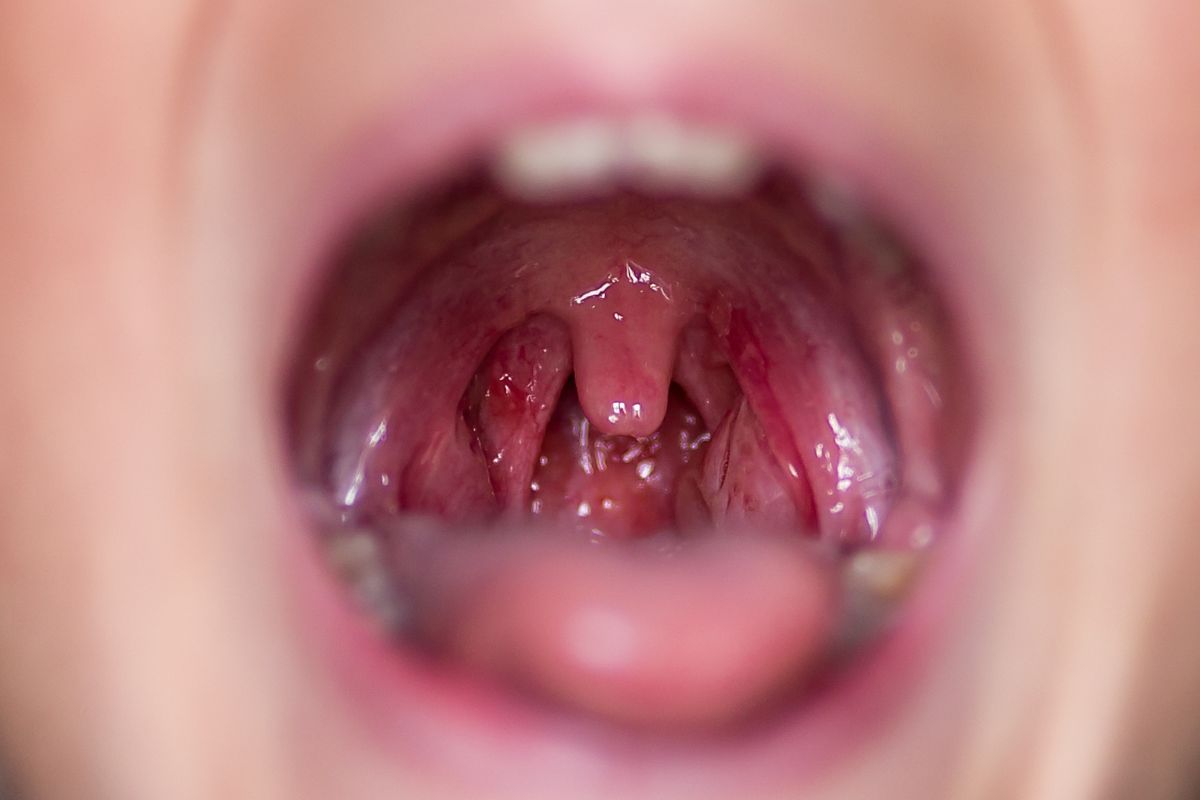
Our team at Little Roots Pediatric Dental plays a crucial role in identifying and addressing mouth breathing in children. During routine dental examinations, we observe signs parents may overlook, such as puffy gums despite good oral hygiene, the position of the tongue and palate, and the size of the tonsils and adenoids visible in the back of the throat.
Our comprehensive airway assessments go beyond simply looking at teeth. We evaluate your child’s facial structure, jaw development, and breathing patterns to determine whether airway issues are affecting their overall health. We ask detailed questions about your child’s sleep habits, including whether they snore, wake frequently, wet the bed, or show signs of daytime sleepiness.
Treatment and Collaborative Care
Once we identify mouth breathing, our team coordinates with other specialists to address the underlying causes. Treatment may involve myofunctional therapy to retrain proper breathing patterns, referrals to ear, nose, and throat specialists for enlarged tonsils or adenoids, or guidance on managing allergies and nasal congestion. Some children benefit from orthodontic interventions that expand the palate and create more airway space.
Our goal is always to help children breathe properly through their noses, which supports better sleep quality, proper facial development, and overall wellness. Early intervention is key, as addressing mouth breathing during childhood can prevent long-term complications and help children reach their full potential in school, activities, and daily life.
Schedule Your Child’s Comprehensive Evaluation at Little Roots Pediatric Dental
Recognizing the signs of mouth breathing and sleep disruption in your child is the first step toward better health and development. At Little Roots Pediatric Dental, we take the time to understand your child’s unique needs. Dr. Sunaina Vohra, who is board-certified in pediatric dentistry and trained at the Woodhull Medical Center Pediatric Dental Program in Brooklyn, where she served as chief resident, and Dr. Jessica Barzideh, a board-certified pediatric dentist, bring specialized expertise to airway assessments and comprehensive oral health care.
We’ve designed our Westbury office to feel safe and comfortable for both children and their adults, with special accommodations for children with special needs. If you’re concerned about your child’s breathing patterns, sleep quality, or overall oral health, contact our office to schedule a comprehensive evaluation. Together, we can help your child achieve the restful sleep they need to thrive.