

The American Academy of Pediatric Dentistry recommends scheduling a child’s first dental visit by their first birthday or within six months of their first tooth coming in, and children who start that early tend to have lower dental costs and less anxiety about care over the years that follow. Many parents feel uncertain about what that first appointment actually looks like, especially with a child who barely has a mouthful of teeth yet.
At Little Roots Pediatric Dental, our board-certified pediatric dentists across Nassau County and Long Island designed our first visits to be positive, low-pressure experiences for both children and parents, not just an exam.
Why the First Visit Happens So Early
Many parents are surprised that dental visits start before a child has a full set of teeth. Starting early helps catch potential problems before they develop, gives your child a chance to build comfort with the dental environment from the start, and establishes what pediatric dentists call a “dental home,” a consistent place for ongoing care rather than a first encounter only once something hurts. According to AAPD research, children who have their first dental visit before age one see meaningfully lower dental costs over their first five years than children who wait, since early prevention is almost always cheaper than treating a problem after it develops.
Preparing for the Appointment
A little preparation goes a long way toward a smooth first visit. Schedule the appointment for a time when your child is typically rested and cooperative, and talk about the visit in positive terms, avoiding words like “hurt,” “shot,” or “pain” that can plant unnecessary worry. Reading a children’s book about visiting the dentist beforehand, completing new patient paperwork ahead of time, and packing a favorite small toy or blanket can all smooth the transition, and bringing a second adult along is worth considering if siblings will be there too. Your own calm, matter-of-fact attitude does more to set the tone than anything said in the waiting room.
What Happens During the Visit
A first pediatric visit is shorter and less involved than a typical adult appointment. It usually opens with a tour of the child-friendly office and a review of health history, then moves into the exam itself.
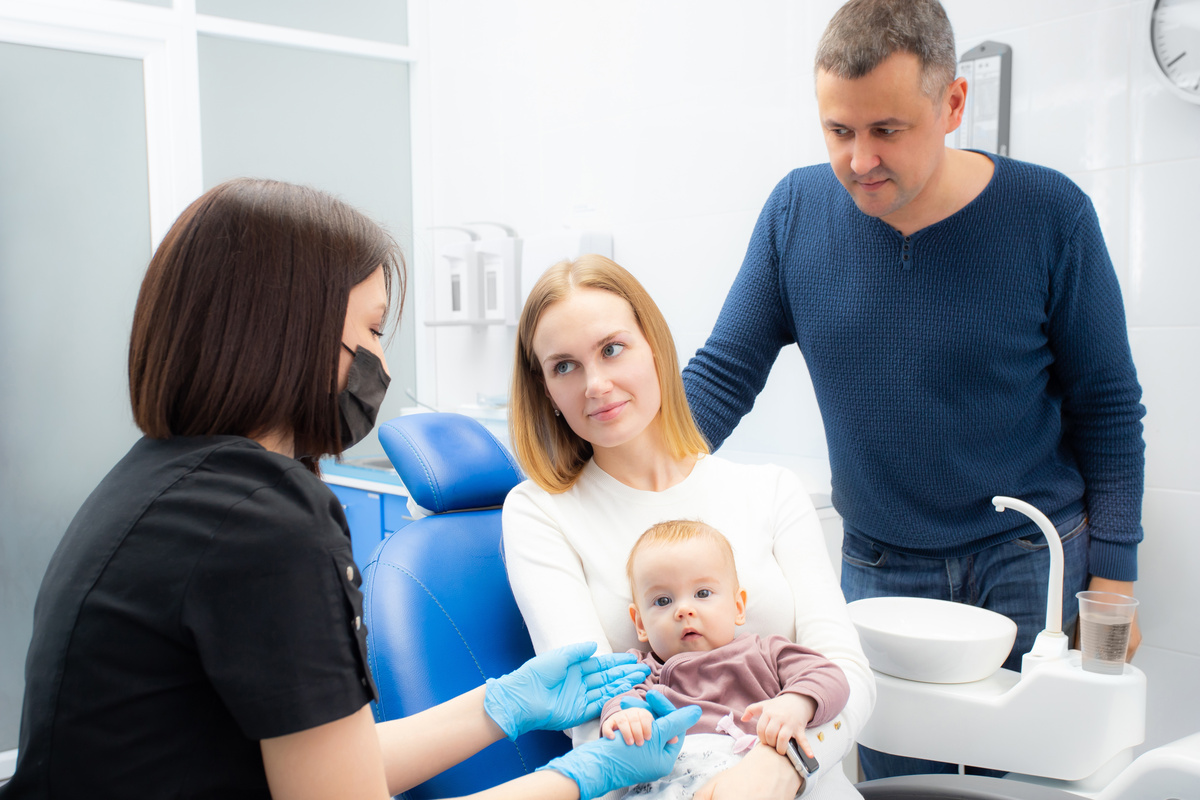
For infants and younger toddlers, we often use a “knee-to-knee” position, where your child sits facing you in your lap, then leans back with their head resting in the dentist’s lap. This keeps your child feeling secure while giving the dentist a clear view of the mouth. Older toddlers and preschoolers may sit in the dental chair itself, often with a parent close by for reassurance.
The exam covers counting and assessing the teeth present, checking jaw and bite alignment, looking for early signs of decay, and screening habits like thumb sucking or pacifier use that can affect development. A gentle cleaning appropriate to your child’s age typically follows, along with a demonstration of brushing technique and a conversation about fluoride if it applies. Before you leave, we cover home care guidance, age-appropriate diet questions, and scheduling the next visit, usually six months out, along with a small reward from the treasure box if your child is old enough to enjoy it.
What Changes by Age
Infants around six to twelve months get a brief exam focused mostly on comfort and parent education. Toddlers between one and three years get a more interactive visit using simple, show-tell-do language, sometimes including a gentle polish. Preschoolers age three to five typically get a more complete exam and cleaning along with age-appropriate explanations of the tools being used and more detailed nutrition guidance.
After the Visit
Praising your child for cooperating and mentioning the fun parts of the visit helps build a positive association for next time. Following through on any home care changes discussed, keeping the language around future visits upbeat, and sticking to the recommended six-month schedule are what actually protect the good first impression over the long run.
Our Child-Centered Approach
Our offices are built around kids from the ground up, with child-sized furniture, a colorful, welcoming environment, and a team that is genuinely experienced working with young or anxious patients. We use child-friendly technology and age-appropriate explanations throughout, and every step is designed to build trust rather than rush through a checklist. The goal is a relationship with dental care that lasts well past this first visit, not just a completed exam.
Special Accommodations
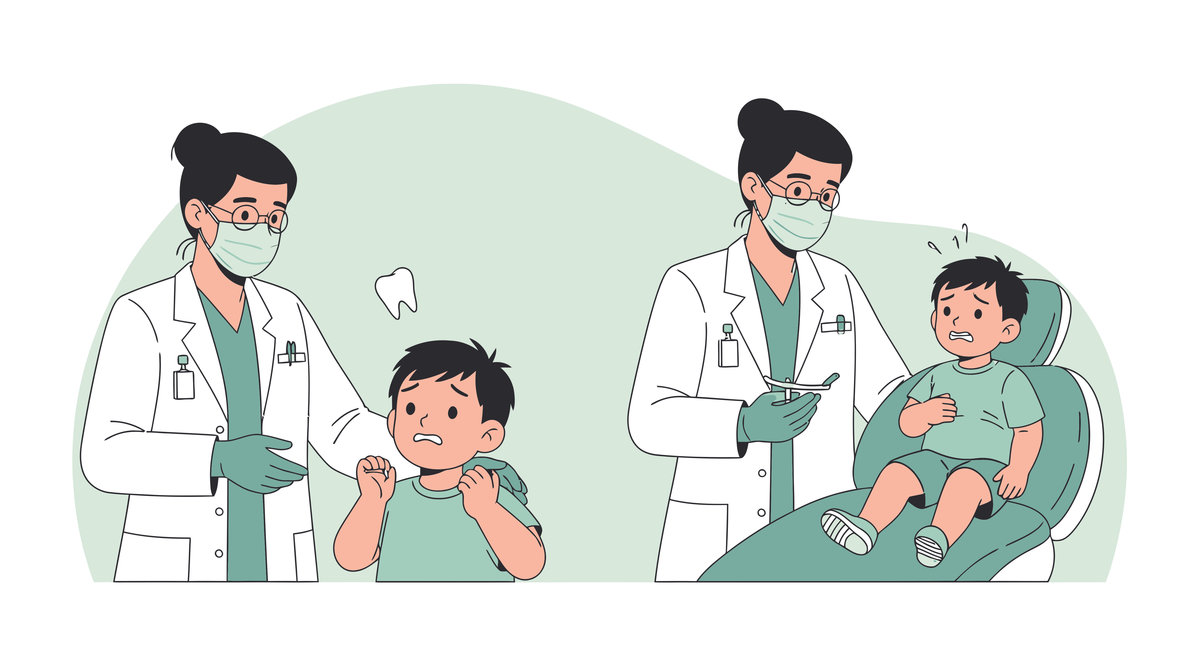
Every child is different, and if yours has special needs, dental anxiety, or a difficult past dental experience, letting us know in advance lets us adjust the appointment approach around sensory sensitivities, developmental considerations, medical conditions, or previous trauma. Our team trains specifically for compassionate care with a wide range of needs, and a heads-up beforehand helps us make the visit work for your child rather than the other way around.
The first dental visit sets the tone for everything that follows. Contact our office to schedule your child’s first appointment and start that relationship off on the right foot.
Frequently Asked Questions About the First Dental Visit
What if my child has no teeth yet at their first visit?
That is completely normal and expected. The first visit focuses heavily on parent education, gum and oral tissue checks, and establishing comfort with the dental environment, even before a full set of teeth has come in.
Will my toddler need X-rays at their first appointment?
Most first visits do not include X-rays. They are generally reserved for cases where there is visible decay or a specific developmental concern that needs a closer look.
How long does a first pediatric dental visit take?
Most first visits run 15 to 30 minutes, shorter than a typical adult appointment. The time covers the exam itself along with parent education and scheduling the next visit.
My child is anxious about new places. Can the visit still work?
Yes. Let our team know ahead of time so we can adjust pacing, language, and positioning to fit your child’s comfort level. Many anxious children do better with a shorter, more gradual first visit rather than trying to rush through the full checklist.
What should I bring to my child’s first dental visit?
Bring any completed new patient paperwork, a list of questions or concerns, and a small comfort item like a favorite toy or blanket. If siblings are coming along, a second adult to help manage them makes the visit smoother for everyone.