
Medically Reviewed by Dr. Jessica Barzideh, DMD on September 1, 2026
Yes, professional fluoride treatments are one of the most effective ways to protect your child’s teeth from cavities, and most children benefit from them starting as soon as their first tooth appears. A fluoride treatment applies a concentrated, dentist-grade version of the same mineral found in toothpaste and tap water directly to the enamel, giving developing teeth extra protection during the years they need it most.
At Little Roots Pediatric Dental, we believe in providing gentle, thorough preventive care that builds a foundation for lifelong dental health. Our board-certified Nassau County pediatric dentists focus on creating comfortable experiences for children while delivering treatments that protect their growing smiles.
What Is Fluoride and Why Is It Important?
Fluoride is a natural mineral that strengthens tooth enamel, making teeth more resistant to acid attacks from plaque bacteria and sugars in the mouth. For children, fluoride offers several significant benefits:
- Prevents tooth decay by strengthening enamel before cavities can form.
- Reverses early signs of decay by remineralizing weakened enamel.
- Reduces the need for more invasive dental treatments, like fillings.
- Protects both baby teeth and developing permanent teeth beneath the gums.
Regular fluoride treatments are especially important for children because their teeth are still developing. The fluoride applied during a professional treatment is far more concentrated than what is found in toothpaste or water, providing extra protection during these crucial developmental years.
How Fluoride Treatments Compare to Toothpaste and Tap Water
Fluoride toothpaste and fluoridated tap water provide a steady, low-level dose of protection every day, and that daily exposure matters for long-term oral health. Professional fluoride treatments work differently: the concentration applied in our office is significantly higher, and the varnish, gel, or foam stays in direct contact with the tooth surface for hours rather than the minute or two of a typical brushing session.
This is why the two approaches complement each other rather than replace one another. Daily brushing and fluoridated water build a baseline of protection, while professional treatments give your child’s teeth a concentrated boost during the ages when enamel is still forming and most vulnerable to decay. Many pediatric dentists also recommend pairing fluoride with dental sealants for the back teeth, since the two preventive treatments protect different tooth surfaces.
What to Expect During a Fluoride Treatment
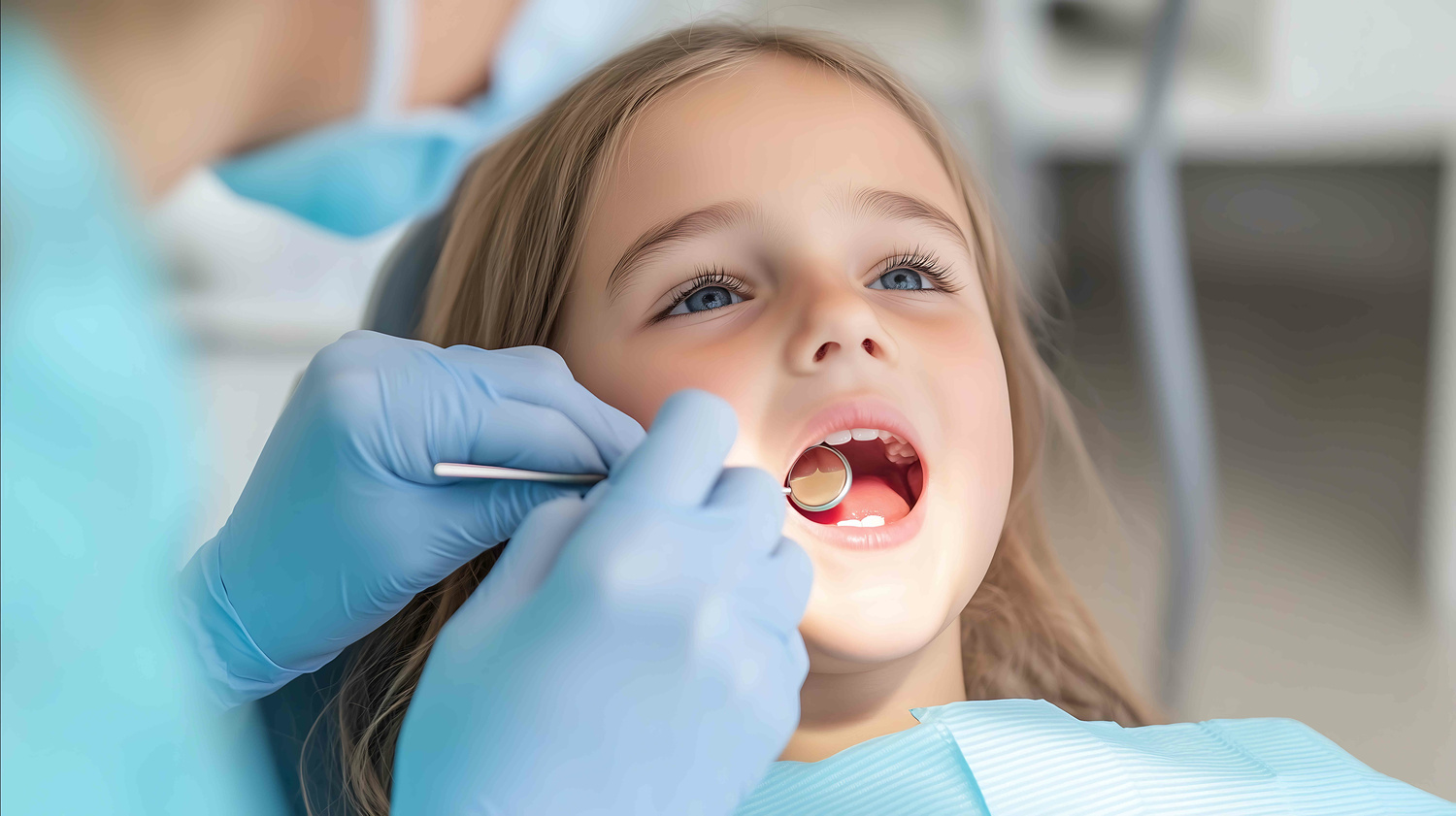
Many parents wonder what happens during a fluoride treatment and how to prepare their child. The good news is that the procedure is quick, painless, and often enjoyable for kids. First, your child’s teeth are cleaned and dried. Then our dental team applies the fluoride using a brush, swab, tray, or mouth rinse, depending on your child’s age and comfort level. The fluoride comes in a range of kid-friendly flavors, which makes the experience more pleasant, and the application itself takes just a few minutes before the fluoride dries.
For maximum effectiveness, your child should avoid eating or drinking for at least 30 minutes after the treatment, which allows the fluoride to fully absorb into the enamel. Most children receive a fluoride treatment during their regular six-month checkup, though some may benefit from more frequent applications based on their individual risk factors for cavities.
Is Fluoride Safe for My Child?
Yes. Used at the levels applied in a dental office, professional fluoride treatments are both safe and effective for children. According to the American Academy of Pediatrics, community water fluoridation alone has been shown to reduce tooth decay by about 25 percent, and major health organizations agree that fluoride at recommended levels is safe for children of all ages.
The main safety consideration parents ask about is dental fluorosis, which appears as faint white streaks or spots on the teeth and develops only while adult teeth are still forming under the gums, typically before age 8. Mild fluorosis does not affect how a tooth functions and is often only noticeable during a dental exam. Because the amount of fluoride used during an in-office treatment is measured carefully for your child’s age and size, the risk of fluorosis from a professional application is low. If you would like more context on how common cavities are in children overall, our post on eye-opening stats about kids’ oral health covers that in more detail.
Preparing Your Child for Their Treatment
To help your child feel comfortable about their fluoride treatment, you can explain that the dentist paints vitamins on their teeth to make them strong. Let them know it tastes like fruit or mint, depending on the flavor they choose, and that the whole process is over in just a few minutes.
Bringing a comfort item from home, like a small toy or blanket, can also help your child feel more at ease during the appointment. Our team is experienced in working with children of all ages, and if you have broader questions about fluoride beyond what is covered here, our guide to common fluoride myths and facts addresses many of the concerns parents bring up most often.
Dr. Jessica Barzideh, DMD, and Dr. Sunaina Vohra, DMD, lead our board-certified pediatric team at Little Roots Pediatric Dental, and our office is built around making preventive visits, including fluoride treatments, comfortable for children of every age and comfort level.
To schedule your child’s next fluoride treatment in Nassau County, or to learn more about how professional fluoride can protect your child’s smile, reach out through our contact form.
Frequently Asked Questions About Fluoride Treatments for Children
Is Fluoride Safe for My Child?
Yes, professional fluoride treatments are both safe and effective when administered by dental professionals. The amount used is carefully controlled for your child’s age and size to provide benefits without unnecessary risk, and major health organizations consider fluoride at recommended levels safe for children of all ages.
My Child Gets Fluoride From Toothpaste and Water. Why Do They Need Treatments?
While fluoride in toothpaste and water provides daily protection, professional treatments deliver a much higher concentration that stays on the teeth longer and offers enhanced protection against decay. This extra layer is especially useful for children at higher risk for cavities or whose home water supply is not fluoridated.
At What Age Should My Child Start Receiving Fluoride Treatments?
The American Academy of Pediatric Dentistry recommends fluoride treatments as soon as teeth erupt, typically starting around age one during regular dental checkups. Starting early helps protect enamel while it is still developing and gives your child’s dentist a chance to track their oral health from the beginning.
How Often Should My Child Get a Fluoride Treatment?
Many children benefit from fluoride varnish two to four times a year, generally through about age five, though the right schedule depends on your child’s individual risk factors for cavities. Most families align fluoride treatments with their child’s regular six-month dental checkups, and your dentist can recommend a more frequent schedule if needed.
Will My Insurance Cover Fluoride Treatments?
Most dental insurance plans cover fluoride treatments for children as part of preventive care, though coverage details vary by plan and by how often treatments are applied. Our office team can help you understand your specific benefits before your child’s appointment so there are no surprises.

About the Author
Founder and Pediatric Dentist
Dr. Barzideh co-founded Little Roots Pediatric Dental and is dedicated to providing the highest level of pediatric dental care with warmth and attentiveness. She works alongside our team to make preventive treatments like fluoride varnish a comfortable, positive part of every child’s dental visit.