When your child struggles with sleep issues, mouth breathing, or frequent headaches, a pediatric dentist is often one of the first professionals in a position to notice the signs. Dental visits start early and happen often, which gives us repeated chances to look for clues such as enlarged tonsils, tooth wear from grinding, and gum changes linked to mouth breathing. Prevention-first airway care means watching for these signs from the earliest stages of development and, when something stands out, helping your family reach the right medical provider for an evaluation. Sleep-related breathing problems are diagnosed by a physician; a dentist’s role is to screen, share observations, and support the care plan.
At Little Roots Pediatric Dental, Drs. Sunaina Vohra and Jessica Barzideh take a unique approach to airway assessment and treatment. Our prevention-first philosophy means we catch problems before they get worse, starting with patients as young as six months to a year old. This early intervention model allows us to address issues during the most critical developmental periods, setting children up for healthier breathing patterns throughout their lives.
Understanding the Connection Between Airways and Overall Health
Many parents don’t realize how deeply connected airway health is to their child’s daily functioning. As Dr. Vohra explains, “Everything affects everything else. The airway affects sleep, and sleep is the number one thing parents are obsessed with because sleep affects behavior, sleep affects school, sleep affects everything.”
This interconnection means that when children experience airway restrictions, the effects ripple through every aspect of their lives. Poor sleep quality can lead to the following:
- Attention difficulties
- Behavioral challenges
- Daytime symptoms that can look like attention or hyperactivity concerns
Spotting possible airway issues early, and getting a physician’s evaluation, may help keep these problems from affecting your child’s development. Pediatric sedation dentistry options are available for children who need extra comfort during airway assessments, ensuring every child receives the care they need regardless of anxiety levels.
Early Warning Signs of Airway Issues Parents Often Miss
Several common childhood issues may actually indicate airway problems. These include:
- Snoring
- Teeth grinding
- Frequent nighttime waking
- Morning headaches
- Bedwetting
Perhaps most importantly, mouth breathing often signals airway restrictions that require attention. Children who breathe through their mouths frequently develop puffy gums that remain inflamed despite good oral hygiene. They may also experience dry mouth and increased cavity risk. These symptoms often go unrecognized as airway-related issues, leading to treatment of symptoms rather than underlying causes.
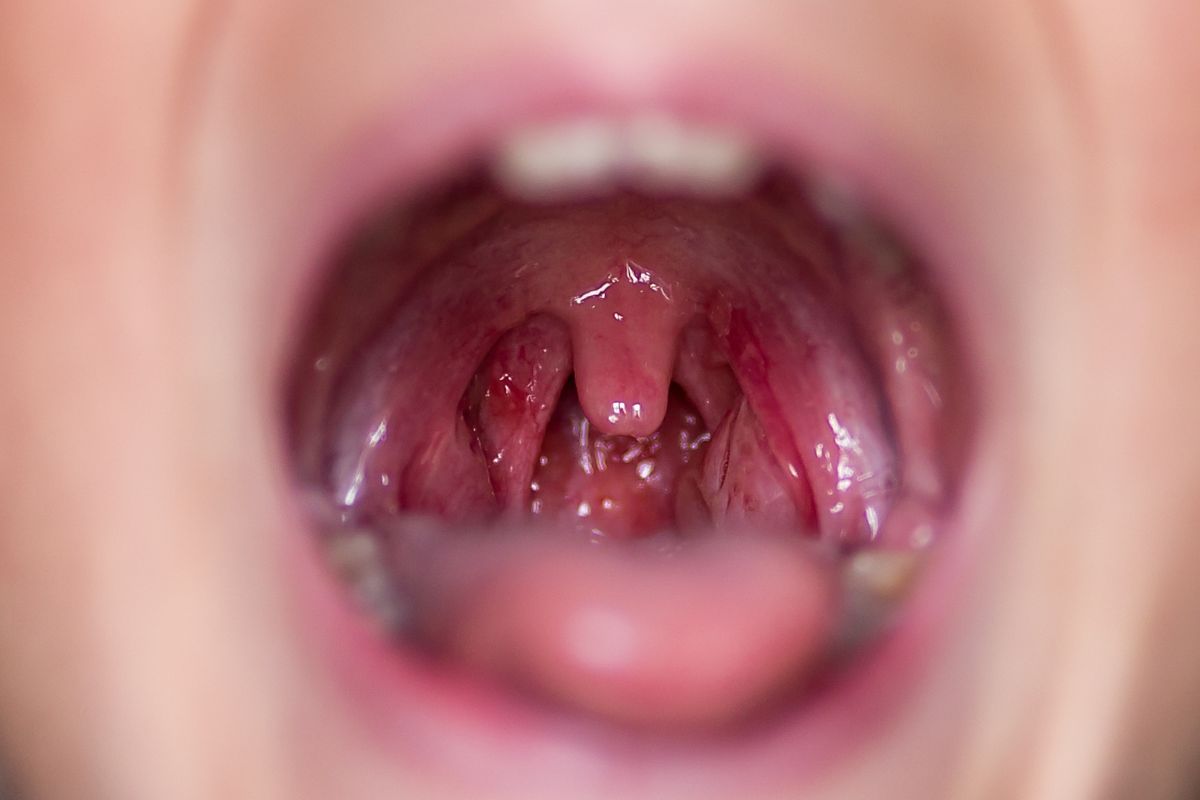
Our team evaluates these warning signs during routine visits, looking at the back of the throat, asking targeted questions about sleep patterns, and examining teeth for wear patterns. First visit appointments include an airway screening as part of our standard approach.
The Little Roots Prevention-First Approach
What makes our approach different from traditional dental practices is our commitment to building relationships and taking time with each family. “We’re not a mill, so we take our time to get to know each family,” notes Dr. Vohra. “We ask the important questions to see where people are, and we try to meet parents where they are, as opposed to overwhelming parents with a list of treatments they have to get for their child.”
This personalized approach means we provide questionnaires about sleep patterns for parents to complete at home, allowing families to observe and document their child’s symptoms. We collaborate with other specialists, including the following to provide comprehensive care:
- Lactation consultants
- ENTs
- Myofunctional therapists
Our services include clinical assessment using Mallampati and Brodsky scoring systems to determine if children need evaluation with ear, nose, and throat specialists for tonsil-related issues.
Why Early Intervention Makes All the Difference
Starting airway care early may help support healthy facial development and reduce crowding. When restrictions are identified in young children, care that works with their natural growth patterns can encourage better breathing habits and facial structure development.
Early intervention may reduce the need for more intensive treatment later, including complex orthodontic work. Addressing airway concerns during primary tooth development can help set the foundation for healthier permanent tooth alignment and better breathing patterns.
The personal investment our team has in this approach runs deep. As Dr. Barzideh shares, “My son has trouble sleeping, so it’s something very close to home for me. I know how important it is, and I wouldn’t push something unless I thought it was super important for my patients.”
What a Dental Airway Screening Can and Cannot Do
A dental airway screening is a way to spot warning signs, not a diagnosis. The American Academy of Pediatric Dentistry encourages dentists to screen children for signs of obstructive sleep apnea and to refer them to a physician, such as an ear, nose, and throat specialist, a sleep medicine physician, or a pulmonologist, when signs are present. Under the American Academy of Pediatrics clinical practice guideline, a child who snores regularly and has other signs of sleep apnea should have a sleep study or be referred to a sleep specialist or ENT, and when enlarged tonsils and adenoids are the cause, removing them is typically the first-line treatment.
That is why our role is collaborative. We look for clues during exams, share what we notice with you, and work alongside your child’s pediatrician and other specialists. Some children may later benefit from dental or orthodontic options as part of a plan their medical team agrees on. For more background, read our overview of what pediatric airway dentistry is and our post on mouth breathing and your child’s sleep.
Taking the First Step Towards Better Airway Health For Your Child
If you’ve noticed warning signs in your child, don’t wait for problems to worsen. Prevention-first airway care offers the opportunity to address issues during their most treatable stage. We can perform extraoral and intraoral exams, provide assessment questionnaires, and, when needed, coordinate referrals to your child’s pediatrician, a sleep physician, or an ear, nose, and throat specialist, who can confirm a diagnosis and recommend treatment. From there, we help build a care plan that fits your child.
Parents concerned about their child’s breathing patterns, sleep quality, or related symptoms can schedule an appointment for evaluation. Our approach ensures every child receives individualized attention in a comfortable, welcoming environment.
Experience the Little Roots Difference Today
At Little Roots Pediatric Dental, Dr. Sunaina Vohra brings board-certified pediatric dentistry training and a deep understanding of airway issues to every patient interaction. Our prevention-first philosophy combines careful screening with close coordination with your child’s medical providers, so that concerns are evaluated rather than overlooked. Learn more about our pediatric airway dentistry services and how they can benefit your child.
We believe every child deserves the opportunity to breathe easily, sleep soundly, and thrive developmentally. Our team works closely with families to create treatment plans that fit their unique needs and circumstances. Contact us to learn how prevention-first airway care can benefit your child’s health and development.
Frequently Asked Questions About Prevention-First Airway Care
Can a pediatric dentist diagnose sleep apnea in my child?
No. Obstructive sleep apnea and other sleep-related breathing problems are diagnosed by a physician, often with a sleep study. A pediatric dentist can screen for warning signs, share what we observe, and refer your child to the right medical provider for an evaluation.
What signs should I mention to my child’s dentist?
Let us know about regular snoring, pauses or gasping during sleep, mouth breathing, restless sleep, teeth grinding, bedwetting after your child had been dry at night, morning headaches, and daytime sleepiness or trouble focusing. These signs do not confirm a problem, but they help us decide whether a referral makes sense.
How young can a child have an airway screening?
We begin looking for airway-related signs at a child’s first dental visit, which can be as early as six months to a year of age. Screening continues at routine checkups as your child grows.
What happens if the dentist notices signs of an airway problem?
We explain what we noticed, may give you a sleep questionnaire to complete at home, and can refer your child to their pediatrician, an ear, nose, and throat specialist, or a sleep physician. Any treatment is decided with your child’s medical team.