
Medically Reviewed by Dr. Jessica Barzideh, DMD on September 2, 2026
Good sleep is essential for children’s overall health, but did you know it’s also closely connected to your child’s dental health? At Little Roots Pediatric Dental, we’ve seen firsthand how sleep issues can impact oral development and health, and our founder, Dr. Jessica Barzideh, has a particular interest in pediatric sleep apnea and the role dentists play in identifying it early.
The Sleep-Dental Connection
When children don’t get enough quality sleep, several dental problems can develop. Poor sleep is linked to increased risk of cavities, teeth grinding (bruxism), and even developmental issues affecting the jaw and teeth alignment.
During sleep, saliva production naturally decreases. This reduced flow means less protection against cavity-causing bacteria. For children who breathe through their mouths while sleeping, this issue is compounded, leading to dry mouth and higher cavity risk.
Sleep Disorders and Oral Health
Sleep-disordered breathing, including conditions like sleep apnea, can have significant dental implications. According to the American Academy of Pediatric Dentistry’s policy on obstructive sleep apnea, dentists are in a unique position to notice early warning signs during routine visits, since they routinely examine the mouth, tonsils, and jaw structure. Signs your child might be experiencing sleep-disordered breathing include:
- Snoring
- Mouth breathing
- Restless sleep
- Teeth grinding
- Chronic fatigue during the day
- Difficulty concentrating
If you notice these symptoms, it’s important to discuss them with both your pediatric dentist and pediatrician, as they could indicate underlying issues affecting both sleep and dental health. Left unaddressed, sleep-disordered breathing in children has also been associated with behavioral changes, such as increased irritability or difficulty focusing at school, which is one reason early identification matters.
How Your Pediatric Dentist Can Help
At Little Roots, we’re trained to recognize signs of sleep-related dental issues. During regular check-ups, we look for:
- Evidence of teeth grinding
- Abnormal jaw development
- Signs of mouth breathing
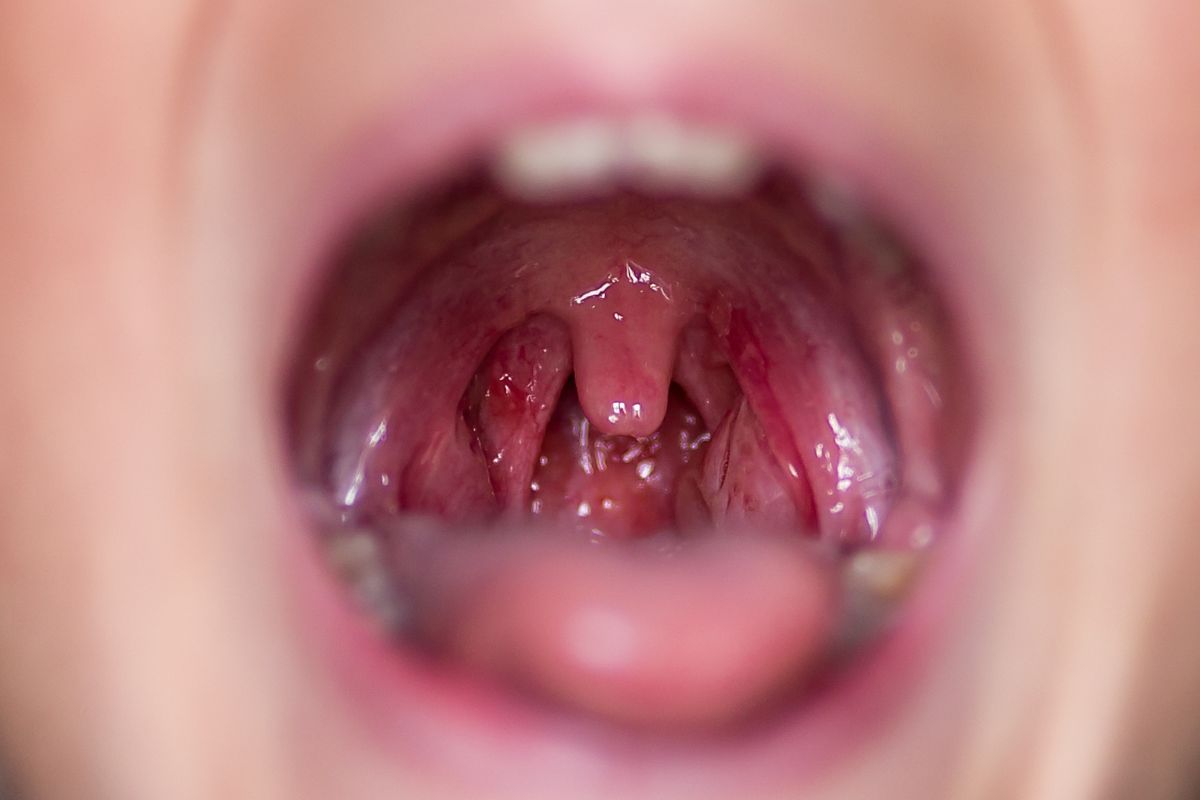
- Enlarged tonsils or adenoids that might obstruct breathing
Early intervention can prevent more serious problems from developing. This might include custom mouth guards for teeth grinding, referrals to sleep specialists, or working with orthodontists to address structural issues. For children whose airway development appears to be contributing to sleep and breathing difficulties, we may also discuss our pediatric airway dentistry services, which focus specifically on how jaw and airway development affect a child’s breathing and sleep.
Teeth Grinding: When It’s a Sleep Signal, Not Just a Habit
Bruxism, or teeth grinding, is common in children and often outgrown without lasting damage. However, when grinding is frequent, loud, or paired with snoring, mouth breathing, or daytime fatigue, it can be a signal that something is disrupting your child’s sleep rather than a habit on its own. We pay close attention to the pattern of symptoms together, not just the grinding in isolation, because that combination is often more informative than any single sign.
Establishing Healthy Sleep Habits
Good sleep hygiene benefits both overall and dental health. Here are some tips:
- Establish a consistent bedtime routine that includes brushing and flossing
- Limit sugary foods and drinks before bed
- Ensure your child sleeps in a position that facilitates nasal breathing
- Maintain regular dental check-ups to catch sleep-related issues early
When to Seek Help
If you suspect your child’s sleep is affecting their dental health, don’t wait for their next scheduled appointment. Contact us at Little Roots Pediatric Dental in Westbury, NY for guidance. We work closely with sleep specialists throughout Nassau County and the greater New York area to provide comprehensive care for your child. Contact our Nassau County pediatric dentist today, or reach us directly through our contact form.
Remember, quality sleep is as important to your child’s smile as regular brushing and flossing. By addressing sleep issues early, you’re investing in both their dental health and overall wellbeing.
Frequently Asked Questions About Sleep and Dental Health
Is snoring in children always a sign of a serious problem?
Not necessarily, since occasional snoring can happen with a cold or allergies. However, frequent, loud snoring, especially paired with mouth breathing, restless sleep, or pauses in breathing, is worth discussing with your pediatric dentist and pediatrician, since it can sometimes point to airway or tonsil issues that benefit from evaluation.
Will my child outgrow teeth grinding on their own?
Many children do outgrow mild teeth grinding without any lasting damage. That said, we monitor for wear patterns, jaw discomfort, or grinding that occurs alongside other sleep symptoms, since that combination sometimes calls for a closer look rather than simply waiting for it to resolve.
How is pediatric airway dentistry different from a routine dental check-up?
A routine check-up focuses on teeth and gum health, while airway dentistry looks specifically at how jaw growth, tongue position, and airway space affect a child’s breathing and sleep. It often involves closer collaboration with orthodontists, ENTs, or sleep specialists when structural issues are contributing to breathing difficulties.
Should I see an ENT or a pediatric dentist first if I suspect a sleep issue?
Either can be a reasonable starting point, and the two often work together. Your pediatric dentist can screen for oral and jaw-related signs during a regular visit and refer you to an ENT or sleep specialist when appropriate, while your pediatrician can help coordinate care across providers.
Can poor sleep really increase my child’s risk of cavities?
Yes, this connection is real. Reduced saliva flow during sleep already limits the mouth’s natural defenses against bacteria, and mouth breathing, which is common with sleep-disordered breathing, can dry out the mouth further and raise cavity risk. Addressing the underlying sleep issue can help protect your child’s teeth as well as their overall health.
About the Author
Founder, Pediatric Dentist
Dr. Jessica Barzideh, DMD, is a board-certified pediatric dentist and the founder of Little Roots Pediatric Dental, with a particular interest in pediatric sleep apnea and the role dentists play in its early identification. She has served as an attending dentist teaching pediatric dental residents at an NYU-HHC affiliate hospital.