The most reliable way to build positive dental habits is to make brushing, flossing, and checkups a predictable part of family life before your child is old enough to argue about them, and then adjust your approach as your child grows. Technique matters, but motivation, routine, and the way parents talk about teeth often decide whether a habit sticks. A toddler who fights the toothbrush, a preschooler who insists on doing it alone, and a nine-year-old who rushes through brushing all need a slightly different kind of help.
At Little Roots Pediatric Dental, we love partnering with parents to make dental care a positive experience for children. As board-certified pediatric dental specialists, we focus on warm, friendly visits and on preventive dental care tailored to your child’s age and needs. This post focuses on the parent side of prevention: how to motivate, how to handle resistance, and how to hand over responsibility at the right pace. For a step-by-step look at brushing and flossing technique, see our guide on how to establish good oral hygiene habits from an early age.
Start Early, Before Habits Have to Be Negotiated
Babies who have their gums wiped with a soft, damp cloth after feedings grow used to having their mouths cleaned, which makes the move to a toothbrush feel normal rather than new. Once the first tooth appears, usually around 6 months, begin brushing twice a day with an infant toothbrush and a smear of fluoride toothpaste about the size of a grain of rice. The American Academy of Pediatric Dentistry recommends that smear amount for children under 3 and a pea-sized amount from ages 3 to 6.
This is also the right time to plan your child’s first dental visit, which is recommended within 6 months of the first tooth and no later than the first birthday. An early, low-pressure visit lets your child meet the dental team before there is ever a problem to fix, and our page on your child’s first visit explains what that appointment looks like.
What Motivates Children at Each Age
Children do not stay motivated by the same things for long. Matching your approach to your child’s stage keeps routines from turning into daily battles.
Toddlers (Ages 1 to 3)
Toddlers want control and attention. Offer small choices, such as which of two toothbrushes to use or whether to brush before or after bath time, so your child feels involved without skipping the habit itself. Positioning helps too: many parents find that sitting on the floor with their child’s head resting in their lap gives a clear view and steadier hands. Keep sessions short and upbeat, and finish with praise even when brushing was imperfect.
Preschoolers (Ages 3 to 5)
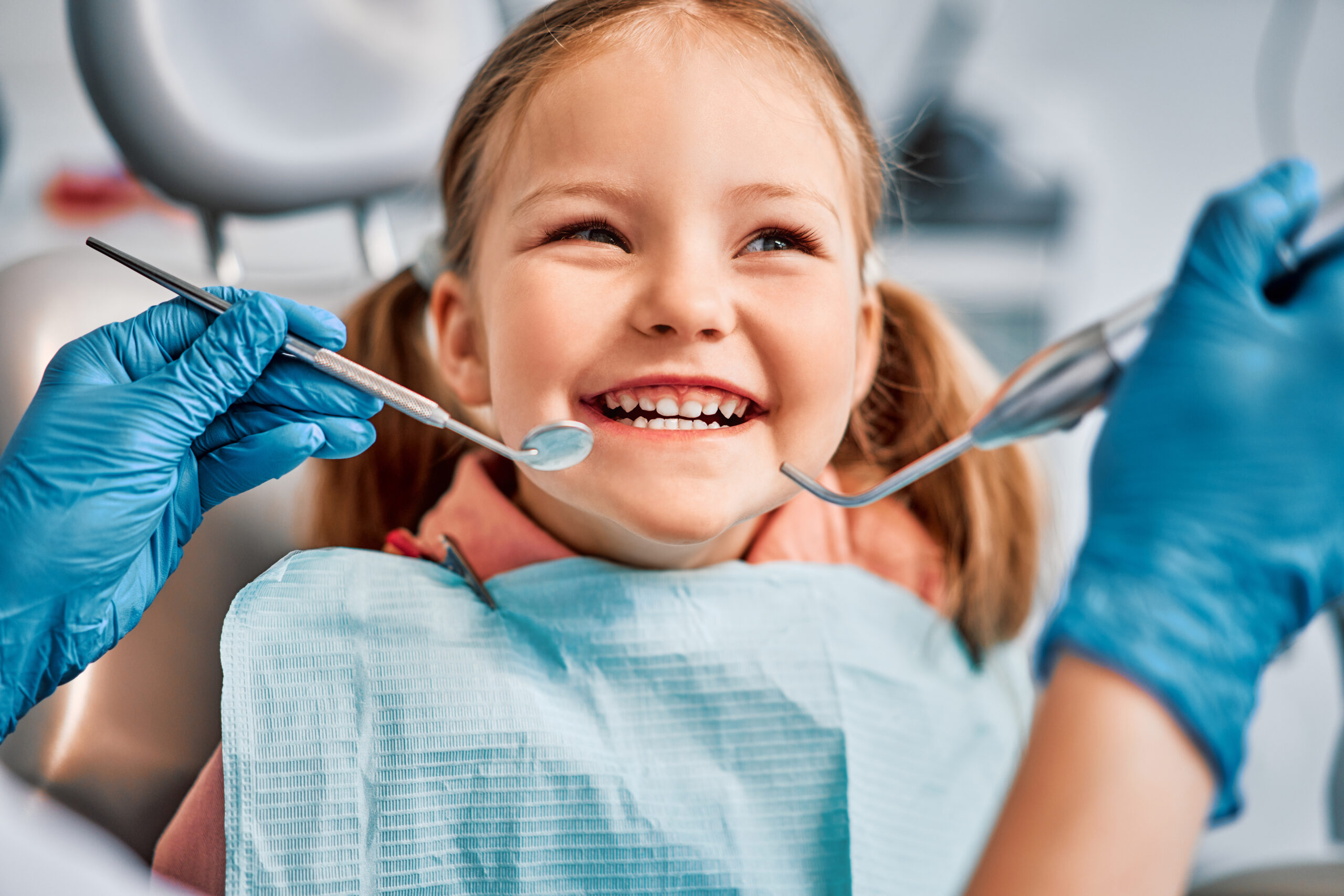
Preschoolers love independence and pretend play. Let your child brush first, then take a turn yourself to “check for sugar bugs.” Role-playing dental visits with stuffed animals or dolls before an appointment helps familiarize young children with what happens in the dental chair and turns worry into curiosity. A colorful chart with stickers for morning and bedtime brushing can work wonders at this age.
School-Age Children (Ages 6 and Up)
Older children respond to responsibility and understanding. Explain in simple terms why brushing matters, such as how bacteria turn leftover food into acid that weakens enamel. Many families find that musical toothbrushes or brushing apps help children reach the recommended two minutes. Most children do not have the dexterity to brush thoroughly on their own until around age 7 or 8, so a quick parent “finish” or spot check is still worthwhile even after they start brushing solo.
Build Routines Around Moments You Already Have
Children thrive on routine, and habits stick best when they attach to something that already happens every day. Pairing brushing with getting dressed in the morning and with pajamas and story time at night means the habit has a built-in reminder. The bedtime brush matters most, since saliva flow naturally slows during sleep and food particles left on teeth have hours to feed cavity-causing bacteria.
Making dental care a family affair helps too. Children love to copy what they see, so brushing alongside them shows that oral care matters for everyone, not only for kids. Once teeth begin to touch, usually around age 2 to 3, add flossing to the same routine so it becomes part of the sequence rather than an extra chore.
Taking your child toothbrush shopping can also be an exciting event. Letting children pick a toothbrush with a favorite color or character gives them ownership of the routine and something to look forward to.
Handling Resistance Without Power Struggles
Almost every child refuses to brush at some point. How you respond often matters more than the refusal itself. These approaches tend to help:
- Stay calm and brief: Treat brushing as non-negotiable but quick, so it does not become a stage for a standoff.
- Change the setting: A new spot, a mirror, or a song can reset a routine that has become a fight.
- Praise effort, not perfection: Specific praise such as “you reached your back teeth” builds confidence.
- Avoid fear-based language: Warnings about shots or drills can create dental anxiety that lasts into adulthood.
- Use rewards that are not sweets: Stickers, an extra bedtime story, or choosing the next song work better than candy.
If resistance continues for weeks, or if brushing seems to cause pain or bleeding, mention it at your child’s next visit. Sensitivity, a loose tooth, or sore gums can sometimes explain why a child suddenly avoids the toothbrush.
Food Habits That Support Healthy Teeth
What your child eats plays a significant role in dental health, and the way your family snacks is a habit in its own right. Water is the best everyday drink because it rinses away food particles without adding sugar. If you serve juice, keep it to mealtimes. Cheese, yogurt, and crunchy fruits and vegetables make good snacks that can help boost saliva production.
Be on the lookout for hidden sugars in foods that seem healthy, such as granola bars, fruit snacks, and flavored yogurts. Sticky treats like chewy candies and dried fruit can cling to teeth for hours, so they are best enjoyed occasionally and followed by a water rinse or brushing. Our post on smart snacking for dental health goes deeper into how the timing and frequency of sugar affect teeth.
How Regular Dental Visits Reinforce Home Habits
Professional care supports the work you do at home. Routine checkups let us gently clean hard-to-reach spots, apply protective fluoride, look for early signs of concern, and recommend dental sealants when molars come in. Just as important, regular visits give children a chance to hear the same messages you share at home from someone outside the family, which often makes them more convincing.
Early, positive dental visits also help children feel comfortable and safe in the dental office. These pleasant experiences build trust with dental professionals and make future visits easier for everyone.
Contact Little Roots Pediatric Dental for More Preventive Care Tips
At Little Roots Pediatric Dental, Dr. Jessica and Dr. Sunaina Vohra love creating positive, gentle dental experiences for children in our warm, welcoming Westbury office. Our board-certified pediatric dentists understand the unique needs of young patients and tailor guidance to each child’s developmental stage, from the first tooth through the teen years.
We are excited to work alongside you to establish healthy dental habits that serve your child for life. To schedule an appointment or ask about our preventive dental services, fill out our contact form.
Frequently Asked Questions About Building Dental Habits
When should my child start using fluoride toothpaste?
As soon as the first tooth appears, usually around 6 months. Use a smear about the size of a grain of rice until age 3, then a pea-sized amount from ages 3 to 6, and help your child spit out the extra.
At what age can my child start brushing on their own?
Most children develop the dexterity to brush effectively on their own around age 7 or 8. Until then, let your child take a turn and then finish the job yourself, and keep checking in occasionally even after they brush independently.
My toddler refuses to brush. What should I do?
Keep brushing short, calm, and consistent rather than skipping it. Offer small choices, try a new position such as having your child lie with their head in your lap, and use songs or a mirror to make it more engaging. If refusal continues for weeks, ask us to check for sensitivity or sore gums.
Do sticker charts and rewards really help?
For many young children, yes. A simple chart that tracks morning and bedtime brushing gives children a visible sense of progress. Choose rewards that are not sweets, such as stickers or an extra story, and phase the chart out once the routine feels automatic.
Are there snacks that actually help protect my child’s teeth?
Yes. Cheese, plain yogurt, and crunchy fruits and vegetables can help clean teeth and boost saliva production. Water is the best drink between meals, and keeping sweets to mealtimes limits how often teeth are exposed to sugar.