

Pediatric airway dentistry focuses on how your child’s breathing patterns affect their oral health, facial development, and overall well-being. When children breathe through their mouths instead of their noses, or when they experience restricted airways during sleep, it can lead to dental problems, poor sleep quality, and developmental concerns that may impact them for years to come.
At Little Roots Pediatric Dental, Dr. Sunaina Vohra and Dr. Jessica Barzideh recognize that healthy breathing is just as important as healthy teeth. They take time during routine exams and cleanings to assess each child’s airway health, asking questions about sleep patterns, breathing habits, and other signs that might indicate an underlying airway issue. This prevention-first approach helps catch problems early, when intervention can make the biggest difference.
How Airway Issues Affect Children’s Health
Your child’s airway health influences far more than just their breathing. When children struggle to get enough oxygen during sleep or consistently breathe through their mouths during the day, it can affect their entire bodies. Poor airway function may contribute to behavioral challenges, difficulty concentrating in school, and even bedwetting in older children.
Sleep quality plays a huge role in child development. Children who snore frequently, wake up often during the night, or wake with headaches may not be getting the restorative sleep their growing bodies need. The American Dental Association notes that babies are born with all their baby teeth already in their jaw, with the first teeth erupting around six months and all primary teeth present by age three. During these critical early years, proper breathing patterns help support healthy oral and facial development.
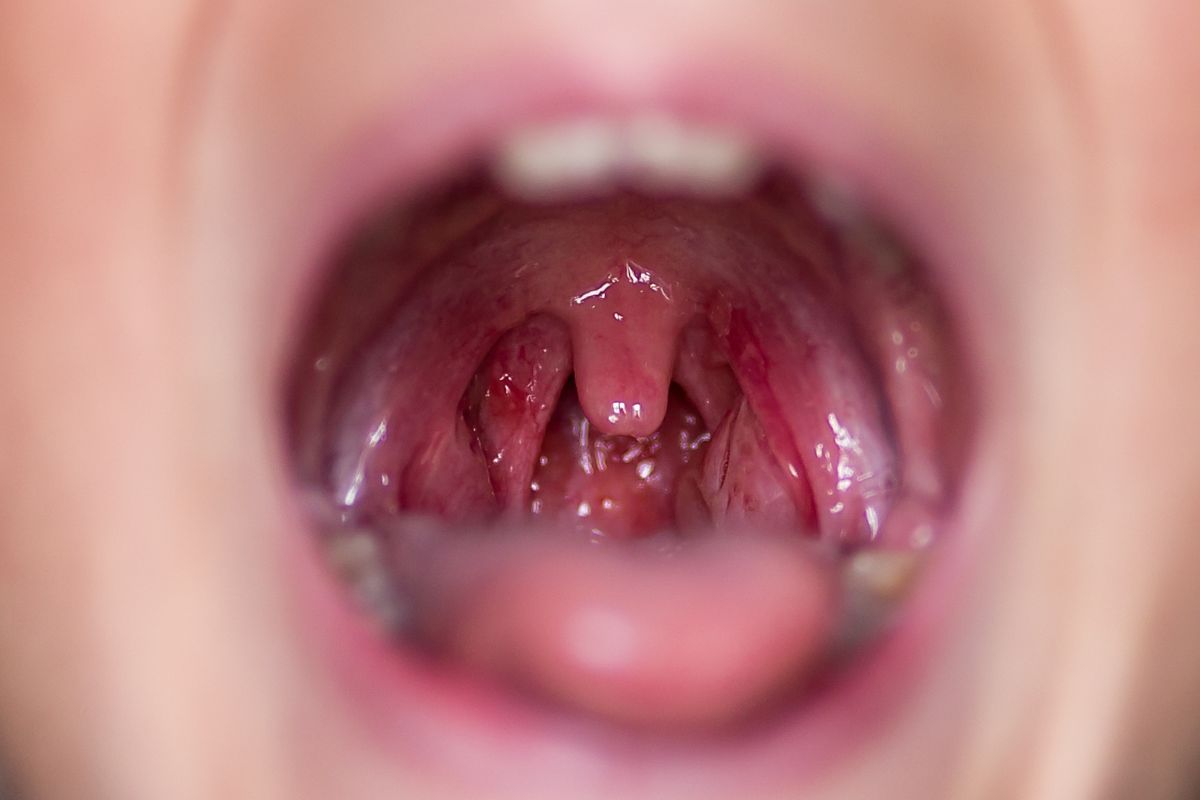
Some children experience enlarged tonsils or adenoids that physically block their airways. Others develop habits like thumb sucking or tongue thrusting that can affect jaw growth and tooth positioning. Mouth breathing often leads to puffy, inflamed gums, even when children maintain good oral hygiene. These signs may seem unrelated to airway problems, but they often point to underlying breathing issues that need attention.
Signs Your Child May Have an Airway Problem
Parents often don’t realize that certain behaviors or symptoms could indicate an airway concern. Snoring is one of the most common red flags, especially when it occurs regularly rather than just during occasional colds. Teeth grinding, also called bruxism, can signal that your child’s body is working harder to maintain an open airway during sleep.
Watch for these additional warning signs:
- Nighttime symptoms: Your child wakes frequently during the night, sleeps in unusual positions with their head tilted back, or experiences persistent bedwetting despite being toilet-trained during the day. These behaviors may indicate your child is struggling to breathe comfortably while sleeping.
- Daytime behaviors: You notice your child breathing through their mouth instead of their nose, especially when concentrating or at rest. They may have dark circles under their eyes, seem unusually tired or irritable, or have difficulty focusing on tasks at school.
- Physical signs: Your child has chronically puffy gums, frequent headaches upon waking, or a dry mouth even when drinking plenty of water throughout the day.
These symptoms don’t automatically mean your child has a serious airway problem, but they’re worth discussing with a pediatric dentist who can properly assess the situation.
What Happens During an Airway Assessment
During a typical visit to Little Roots Pediatric Dental, the team conducts a thorough evaluation that extends beyond cavity checks. They examine the back of your child’s throat, look at tooth wear patterns that might indicate grinding, and assess jaw development. Dr. Vohra and Dr. Barzideh also ask detailed questions about your child’s sleep habits, breathing patterns, and any behaviors you’ve noticed at home.
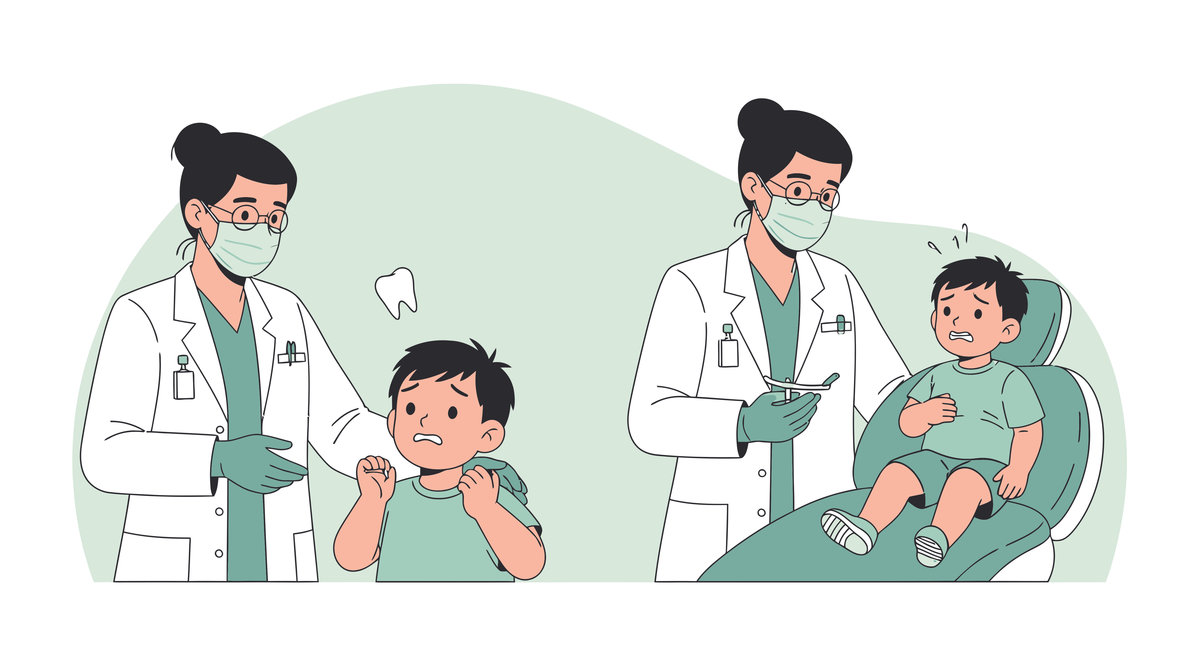
The assessment process is gentle and non-invasive. For younger children, the dentist might simply look at the throat while engaging them in conversation or play. The goal is to gather information without causing stress or anxiety. If the team identifies potential concerns, they may provide a questionnaire for you to complete at home after observing your child during sleep.
This collaborative approach helps create a complete picture of your child’s airway health. Sometimes issues are obvious during the exam, but other times parents notice patterns at home that provide valuable clues. By working together, the dental team and families can determine whether further evaluation or intervention is needed.
Treatment Options for Airway Issues in Children
When airway concerns are identified early, several treatment options can help. The specific approach depends on your child’s age, the severity of the problem, and the cause of the breathing difficulties. Some children benefit from referrals to ear, nose, and throat doctors who can evaluate whether enlarged tonsils or adenoids need treatment.
Other children may need support from specialists, such as myofunctional therapists, who help retrain oral muscles and establish healthy breathing patterns. For certain cases, orthodontic interventions can help expand the jaw and create more space for proper breathing. Little Roots Pediatric Dental works closely with a network of specialists to ensure each child receives comprehensive care tailored to their specific needs.
The key advantage of addressing airway problems during childhood is that young bodies are still growing and developing. Early intervention can guide proper facial and jaw development, potentially preventing more complex issues later. Children who receive appropriate treatment often experience improvements in sleep quality, behavior, attention span, and overall health.
Schedule Your Child’s Airway Assessment at Little Roots Pediatric Dental
Understanding pediatric airway dentistry empowers you to recognize potential problems and seek help before they impact your child’s quality of life. Dr. Sunaina Vohra and Dr. Jessica Barzideh bring both clinical knowledge and personal passion to this important aspect of pediatric dental care. Dr. Vohra completed her pediatric dental residency at Woodhull Medical Center in Brooklyn, where she served as chief resident, while Dr. Barzideh has extensive experience working with children with special healthcare needs and a particular interest in pediatric sleep apnea.
At Little Roots Pediatric Dental, you’ll find a warm, welcoming environment where your child’s complete health matters. The practice offers flexible payment options, including insurance coverage and an affordable in-house membership plan for families without traditional insurance. Whether you’re bringing your infant for their first dental visit or you’ve noticed concerning signs in your older child, the team is ready to provide thoughtful, comprehensive care. Contact us today to schedule an appointment and learn more about how we can support your child’s airway health.