
Medically Reviewed by Dr. Sunaina Vohra, DMD on September 1, 2026
Yes, your child’s oral health is directly connected to their overall physical and developmental well-being. The mouth reflects, and is affected by, conditions throughout the rest of the body, so gum inflammation, tooth decay, and bite alignment can all influence how a child eats, sleeps, speaks, and feels about themselves. Recognizing these connections early helps you catch small issues before they grow into bigger ones.
At Little Roots Pediatric Dental, our pediatric dentists in Nassau County take a comprehensive approach to your child’s care, looking beyond cavities to how oral health supports every stage of growth. Below, we walk through the specific ways a healthy mouth contributes to a healthy body, and what you can do at home to support both.
Beyond Just Teeth and Gums
Oral health touches far more of your child’s daily life than the condition of their teeth alone. The way a child’s teeth and jaw develop can shape how clearly they pronounce certain sounds, since the tongue relies on the teeth and palate to form words correctly. Chewing comfortably also affects nutrition, since a child in pain from a cavity or a loose tooth may avoid crunchy fruits, vegetables, and proteins that are harder to eat, which can limit the variety of nutrients they take in during years of rapid growth.
A confident smile matters too. Visible decay, discoloration, or missing teeth can affect how a child feels about themselves and how comfortable they are smiling, talking, and playing around other children. Oral health issues, including mouth breathing and airway restriction, can also disrupt sleep quality, which in turn affects mood, attention, and energy during the day. When we care for your child’s teeth, we are supporting their ability to eat well, communicate clearly, sleep soundly, and feel good about their smile.
The Inflammation Connection
Research continues to explore how oral inflammation, such as gum disease, relates to systemic health issues elsewhere in the body. This connection is less pronounced in children than in adults, since gum disease severe enough to affect other body systems typically develops after years of untreated inflammation. Even so, mild gum inflammation in children, often signaled by redness, swelling, or bleeding when brushing, is worth addressing early rather than waiting for it to resolve on its own.
Teaching proper oral hygiene habits while your child is young helps prevent this kind of inflammation from taking hold in the first place. Consistent brushing and flossing routines, paired with regular professional cleanings, keep plaque and bacteria from building up along the gumline, which supports both oral and general health as your child grows.
Why Tooth Decay Is the Most Common Childhood Disease
Tooth decay, also known as dental caries, is the most common chronic disease of childhood in the United States, according to the Centers for Disease Control and Prevention. More than half of children ages 6 to 8 have had a cavity in at least one baby tooth, and more than half of adolescents ages 12 to 19 have had a cavity in a permanent tooth. Left untreated, cavities can cause pain and infection that make it harder for a child to eat, speak, play, and concentrate in school.
The encouraging news is that most childhood cavities are preventable. Fluoride varnish applied during a dental visit can prevent roughly a third of cavities in baby teeth, and dental sealants placed on the chewing surfaces of back teeth can prevent a large majority of cavities in those areas. Fluoride toothpaste and fluoridated water add another layer of daily protection between visits. Combining these preventive tools with regular checkups gives your child’s teeth the best chance of staying healthy through each stage of development.
Early Detection of Health Concerns
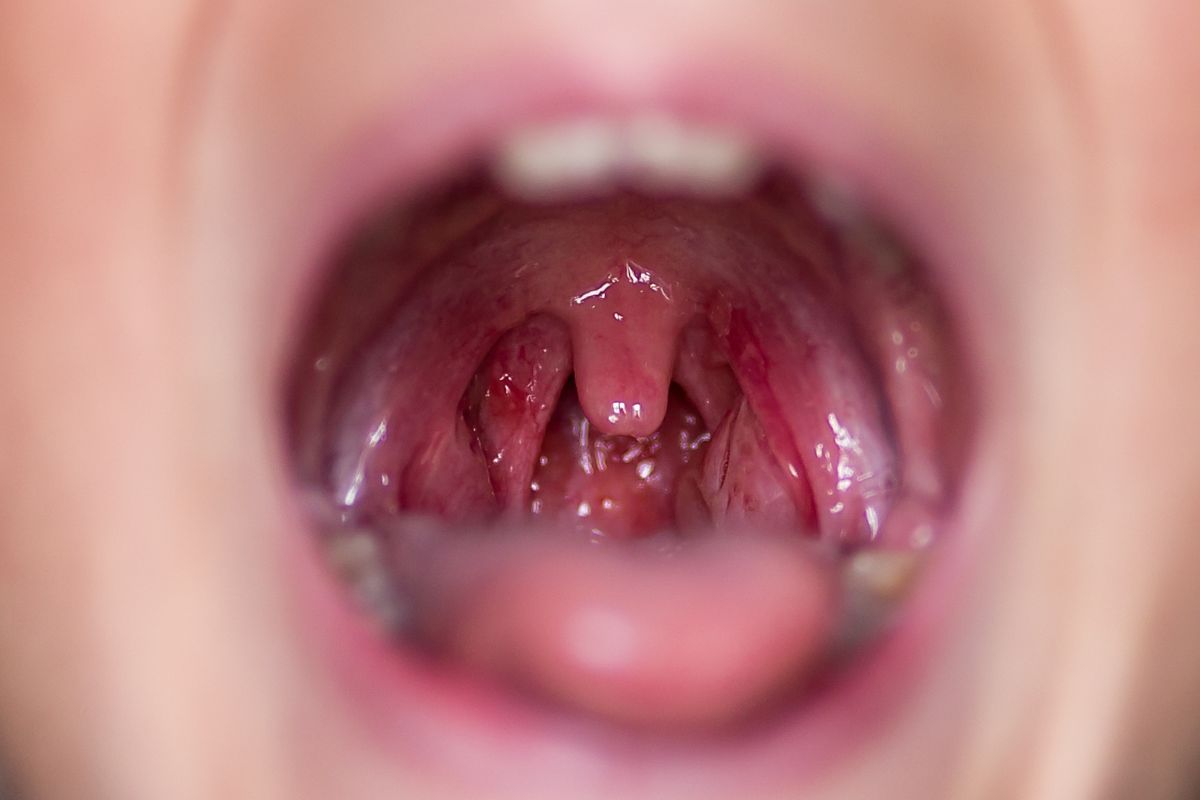
Routine dental checkups sometimes reveal signs of health issues before they become noticeable anywhere else. During an exam, your pediatric dentist may notice early signs of nutritional deficiencies, such as changes in the gum or tooth tissue, or symptoms of systemic conditions that first appear in the mouth. Sleep-related breathing concerns, including signs consistent with mouth breathing in children, can also show up as changes in the roof of the mouth, tooth wear, or tonsil size.
When we notice something outside the scope of dental care, we can refer you to the right healthcare provider so the concern gets addressed promptly. This kind of early observation is one of the quieter benefits of keeping up with regular dental visits, even when your child’s teeth seem perfectly fine.
Building Lifelong Health Habits
By understanding the mouth-body connection, you can help your child develop habits that support health well beyond their teeth. A few habits make the biggest difference over time:
- Regular dental visits become part of your child’s overall healthcare routine, not just a separate errand.
- Good oral hygiene habits, brushing twice daily and flossing once a day, establish self-care patterns that carry into adulthood.
- Awareness of nutrition’s role in both dental and general health can guide smarter snack and drink choices at home.
These habits reinforce each other. A child who visits the dentist regularly is more likely to have problems caught early, and a child who eats well and brushes consistently is less likely to need extensive treatment later. Together, they support development in ways that reach well beyond the mouth.
Practical Ways to Make Oral Care a Family Habit
Good habits stick best when they feel manageable rather than like one more chore. Brushing alongside your child, using a two-minute song or timer, and letting them pick a toothbrush featuring a favorite character can turn a routine task into something they look forward to. For babies, wiping the gums with a soft, damp cloth after feedings and before bed helps establish the habit even before the first tooth appears.
Scheduling your child’s first dental visit by their first birthday, or as soon as their first tooth erupts, gives us the chance to check development early and answer any questions you have as a parent. From there, future appointments tend to feel routine rather than unfamiliar. Pairing that early start with the habits covered here, alongside resources like our guide to why baby teeth matter for long-term dental health, gives your child a strong foundation for both oral and overall health.
Dr. Sunaina Vohra, DMD, and Dr. Jessica Barzideh, DMD, founded Little Roots Pediatric Dental to give children throughout Nassau County a comprehensive, whole-health approach to dental care. Our team is trained to work with children of every age and comfort level, and we look beyond the teeth themselves to how oral health fits into your child’s broader development, from nutrition and speech to sleep and self-confidence.
If you have questions about how your child’s oral health connects to their overall well-being, or it has been more than six months since their last checkup, we encourage you to schedule a visit. You can reach our team through our contact form.
Frequently Asked Questions About Child Oral Health and Overall Wellness
How Does Poor Oral Health Affect a Child’s Overall Health?
Untreated dental problems can cause pain that makes it harder for a child to eat, sleep, speak, and concentrate in school. Gum inflammation and untreated decay can also affect nutrition and comfort more broadly. Addressing oral health issues early, through regular checkups and good hygiene habits at home, supports your child’s overall comfort, development, and confidence, not just the condition of their teeth.
At What Age Should My Child Start Seeing a Dentist?
Most pediatric dental organizations recommend a first dental visit by your child’s first birthday or within six months of their first tooth erupting, whichever comes first. Starting early lets us track development, apply preventive treatments like fluoride varnish when appropriate, and help your child build comfort with dental visits before any problems have a chance to develop.
Can Dental Problems Affect My Child’s Speech or Nutrition?
Yes. Teeth play an important role in forming certain sounds, so missing or misaligned teeth can affect pronunciation and speech clarity. Pain from cavities or a loose tooth can also make chewing uncomfortable, leading some children to avoid nutritious foods like fresh fruit, vegetables, and lean proteins. Addressing dental issues promptly helps protect both communication and healthy eating habits.
What Signs Might Suggest an Oral Health Issue Is Affecting My Child’s Overall Health?
Watch for signs like frequent complaints of tooth pain, avoidance of certain foods, mouth breathing, snoring or restless sleep, and noticeable changes in gum color or swelling. None of these signs confirm a specific condition on their own, but they are worth mentioning at your child’s next dental visit so we can take a closer look and, if needed, coordinate with their pediatrician.
How Can I Help My Child Build Healthy Oral Hygiene Habits at Home?
Brush your child’s teeth twice a day with a fluoride toothpaste appropriate for their age, and help them floss once daily as soon as two teeth touch. Making brushing a shared family activity, using a timer or song, and choosing a toothbrush with a design your child likes can make the routine feel less like a chore and more like a habit they want to keep.

About the Author
Founder and Pediatric Dentist
Dr. Vohra co-founded Little Roots Pediatric Dental with a commitment to comprehensive pediatric care that considers each child’s whole health, not just their teeth. She works to create a welcoming, supportive environment for every child who visits our Westbury office.