

If your child snores regularly, breathes through their mouth, or wakes up tired despite a full night’s sleep, these can be signs of a sleep-related breathing issue that affects both their health and their daily functioning. Many parents are surprised to learn that pediatric dentists play a meaningful role in identifying and addressing these conditions, often before other specialists ever get involved.
At our Westbury practice, Dr. Sunaina Vohra and Dr. Jessica Barzideh continue building their expertise in addressing sleep-related breathing issues to help children breathe better, sleep better, and thrive during the years when growth and development matter most.
Understanding Sleep-Related Breathing Issues in Children
Sleep-related breathing disorders (SRBDs) include a spectrum of conditions that affect a child’s breathing during sleep, ranging from primary snoring to obstructive sleep apnea (OSA). These issues are more common than many parents realize, affecting an estimated 10 to 12% of children.
Common Sleep-Related Breathing Issues
Children may experience various types of breathing disturbances during sleep:
- Primary snoring: Regular snoring without significant breathing pauses or sleep disruption.
- Upper airway resistance syndrome: Increased effort to breathe during sleep, causing frequent arousals.
- Obstructive sleep apnea: Partial or complete blockage of the airway during sleep, leading to disrupted breathing and fragmented sleep.
- Central sleep apnea: Breathing pauses caused by the brain not sending proper signals to the breathing muscles.
Signs and Symptoms to Watch For
Children with sleep-related breathing issues may show a variety of symptoms, including:
- Habitual snoring, more than three nights per week.
- Mouth breathing during sleep or while awake.
- Pauses in breathing during sleep.
- Restless sleep or unusual sleeping positions.
- Bedwetting beyond the typical age.
- Morning headaches.
- Daytime sleepiness or difficulty waking.
- Behavioral issues, including hyperactivity or difficulty concentrating.
- Growth concerns or unexplained weight changes.
If several of these symptoms sound familiar, our related guide on the link between mouth breathing and poor sleep in children goes deeper into how these patterns develop, and our article on bedwetting and ADHD-like symptoms tied to airway issues explores that specific connection further.
The Impact on Children’s Health and Development
Untreated sleep-related breathing problems can have far-reaching effects:
- Physical health: Potential heart strain, metabolic changes, and impaired growth.
- Cognitive development: Attention problems, learning difficulties, and reduced academic performance.
- Behavioral health: Increased risk of ADHD-like symptoms, irritability, and mood disturbances.
- Quality of life: Fatigue affecting daily activities and social interactions.
Our overview of how breathing issues can affect a child’s growth and development covers these long-term effects in more detail.
The Dental Connection to Sleep-Related Breathing Issues
Many parents are surprised to learn that dentists, particularly pediatric dentists, are often among the first to notice signs of a sleep-related breathing disorder.
Oral and Facial Structures Matter
The development of oral and facial structures significantly impacts airway function. Pediatric dentists are trained to identify:
- Narrow dental arches.
- High-vaulted palates.
- Recessed chins or retrognathia, where the lower jaw sits behind the upper jaw.
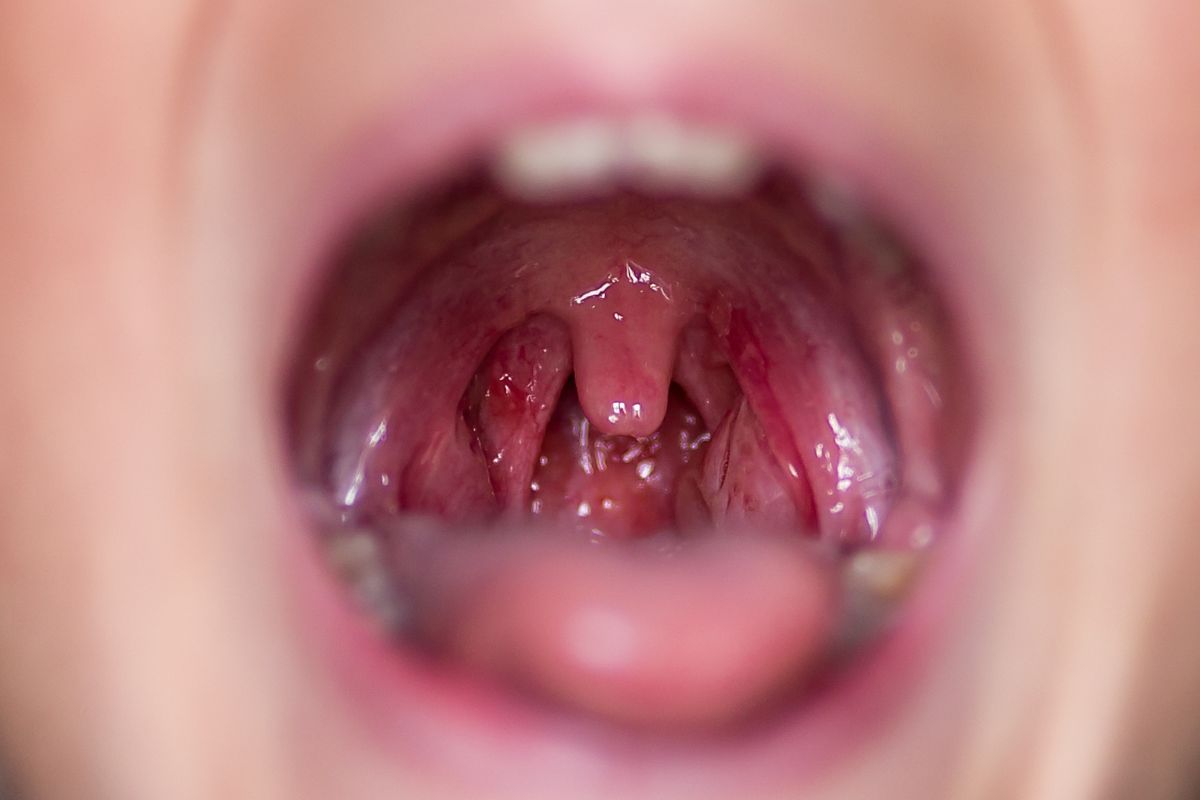
- Enlarged tonsils or adenoids.
- Tongue ties or restrictions.
- Malocclusions, or bite problems, that may affect airway space.
These structural factors can contribute to airway obstruction during sleep, which is exactly why pediatric dentists are so valuable for early detection. Our full explanation of what pediatric airway dentistry is and why it matters covers this connection from the ground up.
Early Detection During Regular Dental Visits
Since children typically see their dentist regularly for preventive care, these visits provide natural opportunities to screen for signs of sleep-related breathing issues. At Little Roots Pediatric Dental, we incorporate airway screening into our comprehensive examinations, looking for:
- Signs of mouth breathing.
- Dental wear patterns associated with grinding, a potential compensatory mechanism for airway obstruction.
- Structural irregularities that may impact breathing.
- Tonsil size and position.
- Tongue position and function.
How Pediatric Dentists Help Address Sleep-Related Breathing Issues
Screening and Referrals
Comprehensive screening during dental visits can identify children who may need further evaluation. Rather than diagnosing sleep apnea directly, we work collaboratively with:
- Sleep specialists.
- Ear, nose, and throat (ENT) doctors.
- Pulmonologists.
- Myofunctional therapists.
This multidisciplinary approach ensures children receive appropriate diagnostic testing and comprehensive care once a concern is identified.
Oral Appliance Therapy
For some children, especially those with mild to moderate sleep-related breathing issues, dental appliances may help:
- Mandibular advancement devices: Help position the lower jaw forward, increasing airway space.
- Palatal expanders: Widen the upper jaw, creating more room for the tongue and improving nasal airflow. These are often considered as part of early orthodontic intervention when a narrow palate is identified.
- Habit-correcting appliances: Help address habits like thumb sucking that may contribute to oral-facial development issues.
Myofunctional Therapy
Pediatric dentists may recommend or provide myofunctional therapy, which involves exercises to improve tongue positioning, nasal breathing, proper swallowing patterns, and lip and facial muscle tone. These exercises can help strengthen the muscles that keep airways open during sleep and support proper oral-facial development over time.
Addressing Contributing Factors
Pediatric dentists also work to identify and address factors that may contribute to breathing difficulties, including treating malocclusions, addressing restricted frenulums or tongue and lip ties, recommending evaluation of enlarged tonsils or adenoids when appropriate, and providing guidance on allergies and environmental factors that may affect breathing.
The Benefits of Early Intervention
Addressing sleep-related breathing issues early in childhood offers significant advantages. Early care takes advantage of a child’s ongoing growth to help guide proper airway formation, may prevent the progression of symptoms and complications, can reduce the need for more invasive treatment later, supports cognitive, behavioral, and physical development, and improves quality of life for children and their families alike.
Our Approach at Little Roots Pediatric Dental
At Little Roots Pediatric Dental, we take a comprehensive, child-centered approach to addressing sleep-related breathing issues.
Thorough Assessment
Our evaluation process includes a detailed health and sleep history, a comprehensive examination of oral and facial structures, screening questionnaires to identify risk factors and symptoms, and photo documentation to track development over time.
Personalized Treatment Planning
We develop individualized treatment plans based on the child’s specific breathing issues, age and developmental stage, overall health considerations, and collaboration with other healthcare providers as needed.
Ongoing Monitoring and Support
Our care extends beyond the initial visit through regular follow-up appointments to assess progress, adjustments to treatment as children grow, continued screening during routine dental visits, and education and support for families throughout the process.
According to the American Academy of Pediatric Dentistry’s policy on obstructive sleep apnea, pediatric dentists are encouraged to routinely screen patients for OSA risk factors and facilitate a medical referral when warranted, rather than attempting to diagnose sleep apnea on their own. That screening-and-referral model is exactly how we approach every child who comes through our door with a possible airway concern.
Dr. Sunaina Vohra and Dr. Jessica Barzideh continue expanding their expertise in sleep-related breathing issues to provide comprehensive care for children experiencing these problems, staying current with the latest research and treatment approaches. Explore our pediatric airway dentistry services to see how we can help your child breathe and sleep better.
Frequently Asked Questions About Sleep-Related Breathing Issues in Children
Can a pediatric dentist diagnose sleep apnea in my child?
Pediatric dentists screen for oral and facial signs associated with sleep-related breathing issues and refer children to sleep specialists, ENT doctors, or pulmonologists for an official diagnosis. Screening and referral, not diagnosis, is the role dentistry plays in this process.
Is snoring always a sign of a problem in children?
Occasional snoring is common and not always concerning, but habitual snoring more than three nights a week, especially paired with mouth breathing or restless sleep, is worth discussing with your pediatric dentist or pediatrician.
Can enlarged tonsils cause breathing problems during sleep?
Yes. Enlarged tonsils or adenoids are among the most common contributors to airway obstruction in children during sleep, and a pediatric dentist may recommend an ENT evaluation if tonsil size appears to be affecting breathing.
How does a narrow palate relate to my child’s breathing?
A high, narrow palate can reduce the space available for the tongue and nasal passages, making mouth breathing more likely. A palatal expander, often used as part of early orthodontic care, can help widen this space and support better nasal airflow.
At what age should I bring up sleep breathing concerns with my child’s dentist?
There is no minimum age. Bringing up snoring, mouth breathing, or restless sleep at any regular dental visit gives our team a chance to screen for airway-related signs as early as possible, when growth-guided treatment tends to be most effective.
If you have noticed signs of sleep-related breathing issues in your child, do not wait for symptoms to resolve on their own. Early screening during a routine dental visit can be the first step toward better sleep for your entire family. Schedule an appointment with our Westbury pediatric dental team to discuss your concerns.