

Medically Reviewed by Dr. Jessica Barzideh, DMD on September 2, 2026
For many children, dental visits can trigger feelings of worry and fear. However, with the right approach and preparation, these appointments can become positive experiences that set the foundation for a lifetime of good oral health habits. Understanding how to prevent dental anxiety in children is crucial for parents who want to raise children with healthy attitudes toward dental care.
At Little Roots Pediatric Dental, our pediatric dentists in Nassau County specialize in creating comfortable, anxiety-free environments for children of all ages. We believe that positive early experiences at the dentist, starting with a well-prepared first visit, can shape a child’s relationship with dental care for years to come.
Understanding Childhood Dental Anxiety
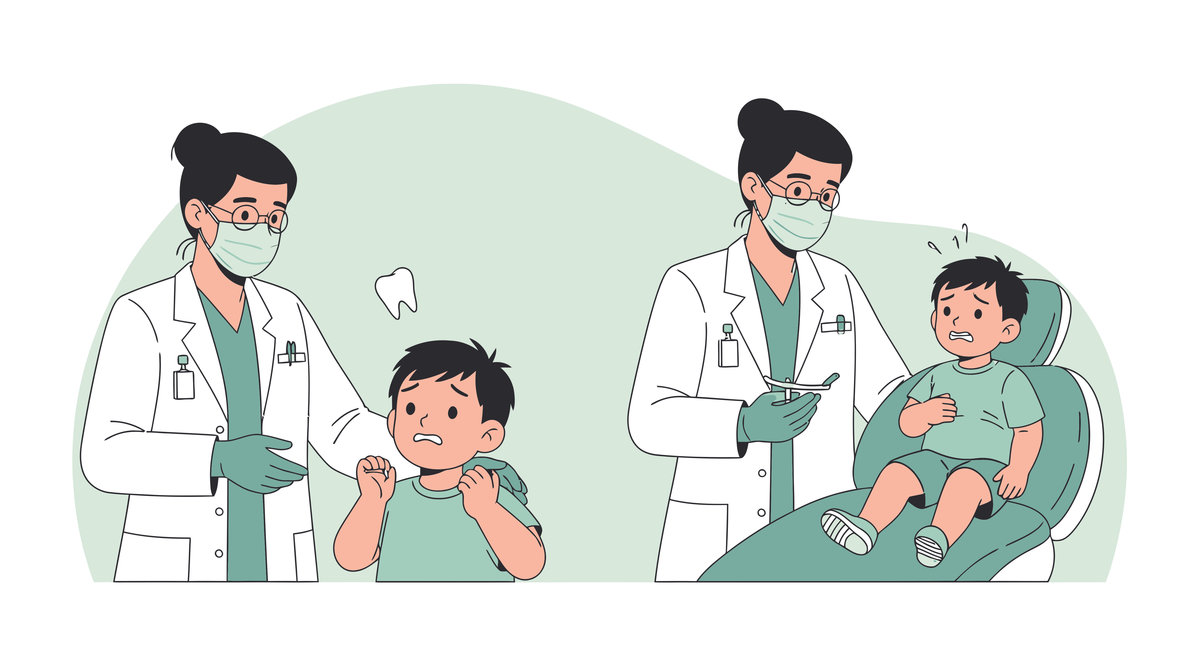
Dental anxiety in children can stem from various sources, including fear of the unknown, previous negative experiences, or anxiety transferred from parents. Signs that your child may be experiencing dental anxiety include:
- Trouble sleeping the night before a dental appointment
- Crying or clinging behavior when it’s time to visit the dentist
- Physical complaints like stomach aches or headaches before appointments
- Refusing to open their mouth during the examination
- Asking repetitive questions about what will happen at the dentist
Recognizing these signs early allows parents and dental professionals to address fears before they develop into long-term dental phobias. By acknowledging your child’s feelings while providing reassurance, you can help them develop healthier attitudes toward dental care. The American Academy of Pediatric Dentistry’s guidance on behavior management notes that a combination of preparation, communication, and consistent positive experiences tends to have the greatest effect on reducing a child’s anxiety over time.
How to Prepare Your Child for Dental Visits
Proper preparation can significantly reduce anxiety before dental appointments. Consider these strategies to help your child feel more comfortable:
- Start dental visits early, ideally by age one or when the first tooth erupts
- Use positive, age-appropriate language when discussing dental visits
- Read children’s books about going to the dentist
- Play “dentist” at home using a toothbrush to count stuffed animals’ teeth
- Schedule appointments earlier in the day when children are well-rested
- Avoid using threatening language like “shots,” “hurt,” or “pain”
One particularly effective approach is to frame the dental visit as a positive check-up rather than focusing on potential treatments. Instead of saying, “The dentist will fix the holes in your teeth,” try “The dentist is going to count your teeth and make sure they’re growing strong.”
The Role of the Dental Office in Reducing Anxiety
A pediatric dental office designed with children in mind can make a tremendous difference in anxiety levels. At Little Roots Pediatric Dental, we’ve created an environment specifically to help children feel at ease:
- Bright, colorful waiting areas with toys, books, and activities
- Child-sized furniture that makes young patients feel comfortable
- Treatment rooms decorated with engaging themes
- TV screens on the ceiling to distract children during procedures
- Dental instruments introduced gradually using child-friendly terms
- Rewards and praise for positive behavior during appointments
Our team uses a “tell-show-do” approach, where we explain procedures in simple terms, demonstrate them in a non-threatening way, and then perform the actual treatment. This technique helps build trust and reduces fear of the unknown.
Communication Techniques That Work
The way dental professionals communicate with children can significantly impact their anxiety levels. Effective techniques include:
Positive reinforcement: praising children for cooperative behavior helps build confidence.
Distraction techniques: engaging stories, counting games, or letting children hold a special toy can divert attention from procedures.
Voice control: using a calm, soothing voice helps children stay relaxed, while an upbeat tone can convey enthusiasm and make the visit seem like an adventure.
Non-verbal communication: gentle touch, high-fives, and smiles create a comforting atmosphere.
Parents also play a crucial role in this communication. Your calm presence and positive attitude will signal to your child that dental visits are normal and nothing to fear.
When Anxiety Runs Deeper: Sedation and Additional Support
For some children, anxiety is significant enough that the strategies above are not always sufficient on their own, especially for a child with a history of negative dental experiences, a strong fear response, or an inability to sit still for needed treatment. In these situations, we may discuss additional options, including sedation dentistry, as a way to help your child receive necessary care comfortably and safely. Sedation is never our first approach, and we always start with the behavioral techniques described above, reserving sedation options for cases where they can genuinely improve your child’s experience.
Special Considerations for Children with Special Needs
Children with special needs may face additional challenges with dental care. At Little Roots Pediatric Dental, we provide accommodations for these patients, including:
- Quiet rooms with minimal sensory stimulation
- Additional time for appointments to allow for comfort breaks
- Specialized equipment for children with physical disabilities
- Visual schedules to help children understand each step of their visit
- Coordination with parents to understand specific triggers and accommodations
We believe every child deserves a positive dental experience, and we’re committed to adapting our approach to meet individual needs.
Building Long-Term Dental Confidence
The ultimate goal of preventing dental anxiety is to help children develop confidence about dental care that lasts into adulthood. Consistent, positive experiences at the dentist teach children that dental care is a normal part of staying healthy.
At Little Roots Pediatric Dental, Dr. Jessica Barzideh and Dr. Sunaina are committed to creating an environment where children can develop these positive associations with dental care. Our specialized training in pediatric dentistry allows us to understand the unique needs of young patients and address their concerns with sensitivity and care.
To schedule an appointment or learn more about our anxiety-reducing approaches, fill out our contact form today. Together, we can help your child build a foundation for lifelong dental health without fear or anxiety.
Frequently Asked Questions About Preventing Dental Anxiety
Is dental anxiety in children common?
Yes, some degree of nervousness about dental visits is common among young children, particularly during their first several appointments. Most children become more comfortable over time with consistent, positive experiences and a dental team trained to work with young patients.
What should I avoid saying to my child before a dental visit?
Avoid words like “shots,” “hurt,” “pain,” or “drill,” even when trying to reassure your child, since these words can introduce fears that were not there before. Instead, use neutral, positive language, such as describing the visit as a chance for the dentist to count teeth and help them stay strong and healthy.
My child had a bad experience at a previous dentist. Can that be reversed?
In many cases, yes. A pediatric dentist trained in behavior guidance can often help a child rebuild trust through gradual, low-pressure visits, clear communication, and positive reinforcement. It may take more than one appointment, and we tailor the pace to what your child can comfortably handle.
Should I stay in the room during my child’s dental appointment?
This depends on your child’s age and comfort level. Younger children often benefit from a parent’s calm presence nearby, while older children sometimes do better building independence and rapport directly with the dental team. Our staff will work with you to decide what makes sense for your child.
When does dental anxiety warrant discussing sedation options?
If behavioral techniques alone are not enough for your child to receive necessary treatment comfortably, sedation may be worth discussing with your pediatric dentist. This is typically reserved for children with significant anxiety, extensive treatment needs, or certain special healthcare needs, and it is always considered on a case-by-case basis.
About the Author
Founder, Pediatric Dentist
Dr. Jessica Barzideh, DMD, is a board-certified pediatric dentist and the founder of Little Roots Pediatric Dental, caring for patients from infancy through adolescence. She has served as an attending dentist teaching pediatric dental residents at an NYU-HHC affiliate hospital and has extensive experience working with children who have special healthcare needs.